
Water Damage Pros Washington logo Water Damage Pros Washington
Get Estimate

Water Extraction in Washington, done right the first time

Statewide crews, 24/7 response, direct insurance billing


Water Extraction in Washington means getting standing water out of your home fast, before it reaches drywall, insulation, or your subfloor. Our IICRC-certified crews run 24/7 water removal in Washington from Kennewick to Everett, with truck-mounted extraction units, thermal imaging, and moisture meters on every call. We pull the water, verify the dry standard, and hand you documentation your adjuster can use the same day.

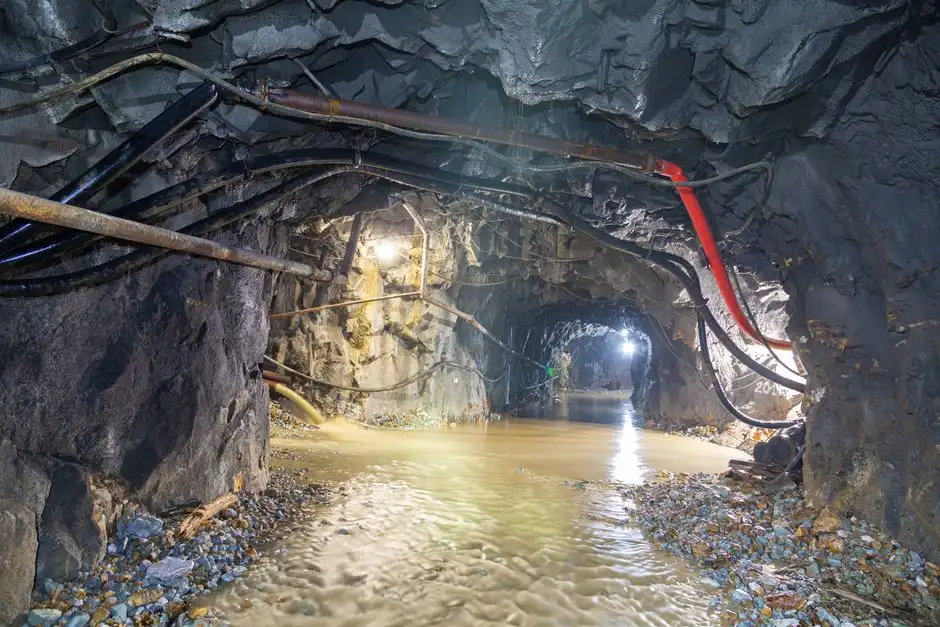
Dimly lit underground cave with flowing water and exposed pipes, showcasing rugged geology.
Licensed Licensed & Bonded
Fully Insured Insured & Bonded
24/7 Emergency Same-Day Response
Warranty Backed Workmanship Guaranteed

What our water extraction service includes

Every job includes the essentials: source shutoff, moisture mapping, extraction, drying equipment placement, daily monitoring, and a final dry verification report. Rebuild work like drywall, flooring, and painting is scoped separately once the structure is dry, and we quote it before we start.

Moisture mapping and detection

We use a thermal imaging camera, moisture meter, and boroscope to find water behind walls, under flooring, and inside crawl spaces. This map drives where we place equipment and is the baseline for every reading afterward.
Truck-mounted extraction

Truck-mounted extraction units pull water faster and deeper than portables. We use weighted extraction heads on carpet to remove water from the pad, and submersible pumps for standing water in basements and crawl spaces.

Antimicrobial treatment

After extraction we apply antimicrobial spray to affected framing, subfloor, and wall cavities. This is standard on category 2 and category 3 water and recommended on any job where drying will take more than 48 hours.

Structural drying and monitoring

We place Dri-Eaz and Phoenix Restoration Equipment air movers and dehumidifiers based on the moisture map, then check readings daily with a hygrometer and infrared thermometer until materials hit the dry standard.

Insurance documentation

Photos, moisture logs, extraction volumes, and a written drying report go to your adjuster. We bill carriers directly and explain your deductible and coverage before work begins.

What Water Extraction in Washington actually involves


Water Extraction in Washington is the mechanical removal of standing and trapped water from a structure using truck-mounted or portable extraction units, followed by moisture mapping and drying to the ANSI/IICRC S500 standard. It is not a shop vac and a fan. We use a moisture meter and thermal imaging camera to trace where water traveled behind baseboards and under wood flooring, then a hygrometer to confirm the air and materials are actually drying. A 1,200 sq ft home with two inches of water typically takes four to eight hours of extraction before drying equipment even goes down.

Washington homes get wet in specific ways. Frozen pipe bursts hit east of the Cascades in January, storm water intrusion floods crawl spaces on Camano Island and Fox Island during atmospheric river events, and slab leaks quietly soak flooring in Redmond and Puyallup year-round. If you search water extraction Washington near me at 2 a.m., you want a crew that answers, not a voicemail. We run 24/7 water extraction in Washington because most of these calls come in after hours, and every hour of standing water raises the odds of mold growth.

How our Washington water extraction process works

Five steps, from the first phone call to a verified dry structure. Here is exactly what you experience.

01

Schedule

Call or book online — a real human picks up and confirms a 2-hour arrival window.

02

Diagnose

Licensed tech inspects on-site, then walks you through the cause and your options.

03

Fix

The job is completed to code and done right the first time — no shortcuts, no surprises.

04

Guarantee

Every job backed by a written workmanship warranty — and we stand behind it.

Tools and methods we use

Tools & Equipment

Truck-mounted water extraction unit

Pulls standing water from carpet, hardwood, and concrete at a rate portable units cannot match. This is the workhorse on every residential job.

Thermal imaging camera

Reveals temperature differences that indicate hidden moisture behind walls, under flooring, and in ceiling cavities without cutting into the structure.

Moisture meter and hygrometer

Measures moisture content in materials and relative humidity in the air. These readings set our drying goals and confirm when the job is actually done.

Dri-Eaz and Phoenix Restoration Equipment air movers

High-velocity air movers evaporate moisture from wet surfaces so dehumidifiers can capture it. Placement is calculated, not guessed.

Dehumidifier

Removes water vapor from the air so wet materials keep releasing moisture. Without dehumidification, air movers just move damp air around.

Boroscope

A camera on a flexible probe that lets us inspect inside wall cavities and crawl spaces without demolition.

Sump pump and submersible pump

Moves large volumes of standing water from basements and crawl spaces before extraction equipment can be effective.

Methods & Standards

ANSI/IICRC S500 standard

The industry standard for water damage restoration. It defines water categories, class of intrusion, and the drying goals we verify before pulling equipment. Every job we run follows it.

Psychrometric drying

We calculate drying goals from temperature, relative humidity, and material moisture content rather than waiting a set number of days. Readings are logged daily and equipment is adjusted as materials dry.

Weighted extraction

A weighted extraction head presses carpet down while pulling water, removing moisture from the pad that a standard wand leaves behind. This often saves the pad and speeds drying.

Antimicrobial application

After extraction we apply antimicrobial spray to affected framing, subfloor, and wall cavities. Standard on category 2 and 3 water and recommended whenever drying will exceed 48 hours.

When to call for water extraction

01

A water heater fails the night before Thanksgiving and floods the utility room and hallway.

What we do: We dispatch a crew, shut off the supply, extract the standing water, and set drying equipment. Carpet padding that is saturated comes out; the carpet itself usually dries in place.

→ You wake up to a dry hallway and a documented claim instead of a mold problem three weeks later.

02

An atmospheric river dumps four inches of rain and your crawl space takes on water.

What we do: We pump out the standing water, run a dehumidifier in the crawl space, and check the vapor barrier and foundation drainage. If the sump pump failed, we note it for repair.

→ The crawl space dries to standard, joists are protected, and you know what to fix before the next storm.

03

A pipe bursts in an upstairs bathroom while you are at work and water runs through the ceiling below.

What we do: We extract from both floors, open the ceiling where needed, dry the framing, and document the path water traveled. The ceiling repair is scoped once the structure is dry.

→ No hidden moisture behind the ceiling, no mold, and a repair scope your adjuster can approve.

04

A rental property sits vacant for a month and a slow supply line leak soaks the flooring.

What we do: We extract, dry, and treat for mold risk, then produce a report the property owner can hand to their carrier. If flooring has to be replaced, we quote it before starting.

→ The unit is rentable again in under two weeks with documentation backing the whole claim.

How water extraction runs in Washington

Washington water damage follows the geography. West of the Cascades, atmospheric river events dump inches of rain in days and push water into crawl spaces, basements, and roof assemblies from Bellingham to Vancouver. East of the mountains, the threat flips: hard freezes in January burst copper and PVC pipes in Cheney, Spokane Valley, and the Tri-Cities, often while homeowners are away. Building stock matters too. Older Puget Sound homes have crawl spaces and uninsulated rim joists that hold moisture, while newer construction in Redmond and Sammamish uses engineered flooring and tight wall assemblies that hide water until it has spread. We size drying equipment to the actual conditions, not a formula. If you need affordable water extraction in Washington without cutting corners on the drying, we quote the job before we start and verify the result with meters.

Neighborhoods We Serve

  • Puget Sound lowlands

    Crawl spaces and basements here take on water during fall and winter storm cycles. We pump, dry, and check vapor barriers on nearly every call.

  • Tri-Cities and Yakima Valley

    Freeze-thaw cycles burst supply lines in older homes. Slab-on-grade construction means we trace leaks with thermal imaging before opening anything up.

  • Spokane and Cheney

    Hard freezes and snowmelt drive both pipe bursts and foundation seepage. We see a spike in emergency calls from December through March.

  • Cascade foothills

    Homes in Duvall, Carnation, and North Bend sit near rivers and drainage channels. Storm water intrusion and roof leaks dominate our calls there.

Local Conditions We Plan For

  • Atmospheric river rain events west of the Cascades

    Multi-day rain saturates soil and overwhelms drainage, pushing water into crawl spaces and basements. Extraction volume is higher and drying takes longer because ambient humidity stays elevated.

  • Hard freezes east of the Cascades

    Pipes in exterior walls and unheated crawl spaces freeze and burst. These calls cluster in short windows, so response speed matters more than anything else.

  • Older housing stock with crawl spaces

    Crawl spaces hold moisture against wood framing. We run dehumidifiers in the space, not just air movers, and verify joist moisture before calling the job dry.

  • Slab-on-grade construction in newer builds

    Water travels under flooring and is invisible from above. Thermal imaging and moisture meters are the only way to find it before the flooring fails.

Burst pipe in a Cheney split-level

Before

A supply line froze and burst while the homeowners were away for a weekend. Water ran for roughly 36 hours, soaking carpet in two rooms and wicking up drywall in the hallway.

After

We extracted 40 gallons, removed saturated carpet padding, and ran drying equipment for four days. Final moisture readings were at or below the dry standard in every affected material. Drywall was saved; only the pad and a section of baseboard were replaced.

Maintenance: We recommended insulating the exterior wall cavity where the pipe ran and adding a shutoff valve. Both prevent a repeat next January.

Before

Three days of heavy rain overwhelmed the drainage and left four inches of standing water in a 900 sq ft crawl space. The homeowner noticed a musty smell in the living room above.

After

We pumped the water out, ran a dehumidifier in the space for five days, and installed a new vapor barrier. Joist moisture dropped from 28 percent to 12 percent. No mold growth was found on the final inspection.

Maintenance: We cleared the foundation drain and recommended a sump pump with a battery backup so the next storm does not repeat the flood.

Before

A root-blocked sewer line backed up into a finished basement, spreading category 3 water across carpet and up the base of a sofa and storage boxes.

After

Our crew extracted the water in full PPE, removed the carpet, pad, and affected drywall, applied antimicrobial spray, and dried the space in four days. The claim was documented and billed directly to the homeowner's carrier.

Maintenance: We recommended a sewer scope every two years and a backwater valve on the main line to stop the next backup before it enters the basement.

Water problems we solve across Washington

Most Washington water calls fall into a handful of categories. Here is what we see and how we handle each one.

Problem

Frozen pipe burst during a cold snap

A burst copper or PVC line can release hundreds of gallons before you find the shutoff, soaking drywall, insulation, and flooring in minutes.

Our Fix

We shut off the source, extract standing water, and dry the wall cavities and flooring. If the pipe needs repair, we handle the line and the water damage in one visit so you are not coordinating two contractors.

Problem

Sewage backup in a basement or lower level

Category 3 water carries pathogens. Anything it touches that cannot be sanitized has to go, and the space needs antimicrobial treatment before rebuild.

Our Fix

Our crews suit up in full PPE, extract the water, remove contaminated materials, apply antimicrobial spray, and dry the structure. We document the disposal for your insurance claim.

Problem

Crawl space moisture and standing water

Crawl space water rots floor joists, feeds mold growth, and drives up heating costs. By the time you smell it upstairs, the damage has been building for weeks.

Our Fix

We pump out standing water, run dehumidifiers in the space, and install vapor barriers where needed. We also check the source, whether that is a foundation crack, a failed sump pump, or poor drainage.

Problem

Slab leak soaking flooring from below

A slab leak in Redmond or Puyallup can soak laminate and carpet for weeks before it shows. By then the subfloor and baseboards are saturated.

Our Fix

We trace the leak with thermal imaging, extract the water, dry the slab and flooring, and coordinate the plumbing repair. If flooring has to come up, we handle the replacement.

Why homeowners call us first

Why homeowners call us first

Water damage gets worse by the hour. Here is what fast, correct extraction buys you.

  • Stop secondary damage

    Water wicks up drywall at roughly one inch per hour and saturates carpet padding in under 30 minutes. We extract within the first response window, which is the difference between replacing a baseboard and replacing a wall. Our crews pull water, remove saturated padding, and set drying equipment the same visit.

  • Insurance-ready documentation

    We photograph moisture readings, log extraction volumes, and produce a drying report formatted for adjusters. Most Washington policies cover sudden water damage, and clean documentation is what gets your claim approved without a fight. We bill carriers directly and walk you through the deductible before work starts.

  • Certified drying, not guesswork

    Every technician on your job holds IICRC WRT certification, and our supervisors carry IICRC ASD. That means drying goals are set by psychrometric math, not by feel. We verify with a moisture meter and infrared thermometer daily until materials hit the dry standard, then we pull the equipment.

  • One crew, start to finish

    Extraction, structural drying, antimicrobial spray, and rebuild all run through the same team. You are not coordinating three contractors. That matters when a sewage backup in Sumner needs extraction today and new flooring next week. One point of contact, one invoice, one warranty on the finished work.

What water extraction costs in Washington

We quote before we work, and the quote is what you pay. Typical 2026 pricing for water extraction services Washington homeowners need runs $180 to $450 for a single room, $900 to $2,800 for a full basement, and $2,500 to $6,500 for larger jobs with structural drying and rebuild. Drying equipment is billed by the day, and we tell you the expected number of days upfront. Insurance usually covers most of it, and we bill carriers directly.

Typical Investment Range

$180 - $6,500 depending on scope

The price covers extraction, drying equipment, daily monitoring, antimicrobial treatment where needed, and documentation for your claim. Skipping any of those steps is how a $400 job turns into a $4,000 mold remediation six weeks later.

What changes the price

01

Water category

Clean water from a supply line is the simplest job. Category 2 gray water and category 3 sewage backups require antimicrobial treatment, PPE, and often disposal of contaminated materials, which raises the cost.

02

Square footage affected

Extraction and drying are priced by area. A single bathroom is a few hours of work. A finished basement with carpet, drywall, and furniture takes longer and uses more equipment.

03

Materials involved

Carpet and pad dry differently than hardwood, laminate, or concrete. Materials that cannot be saved have to be removed and replaced, which adds to the total.

04

Drying time required

Most jobs dry in three to five days. Elevated ambient humidity, thick wall assemblies, or a crawl space with poor airflow can push that to six or seven days of equipment rental.

05

Access and layout

A basement with a narrow stairwell or a crawl space with limited entry slows extraction and equipment placement. We account for that in the quote rather than adding it later.

Licensed, certified, and accountable

Licensed & Certified

  • IICRC Water Restoration Technician (WRT) — issued by Institute of Inspection, Cleaning and Restoration Certification
  • IICRC Applied Structural Drying (ASD) — issued by Institute of Inspection, Cleaning and Restoration Certification
  • IICRC Applied Microbial Remediation Technician (AMRT) — issued by Institute of Inspection, Cleaning and Restoration Certification
  • EPA Lead-Safe Certified Firm — issued by U.S. Environmental Protection Agency
  • Washington State Contractor License — issued by Washington State Department of Labor & Industries

Verified Reviews

Google ★★★★★4.9

Called at 11 p.m. with water coming through the ceiling from a burst pipe. Crew arrived in about an hour, shut everything down, and had extraction running by midnight. They explained every step and handled the insurance paperwork. Cannot recommend them enough.

Yelp ★★★★★4.8

Sewage backup in our basement on a Sunday. They showed up in PPE, extracted everything, and had the antimicrobial treatment done the same day. The drying report was thorough and our adjuster approved the claim without questions.

BBB ★★★★★4.9

Crawl space flooded after a week of rain. They pumped it out, ran a dehumidifier for five days, and installed a vapor barrier. The technician showed me the moisture readings every visit. Fair price and no surprises on the invoice.

Certified crews, real Washington experience

Our technicians train to the ANSI/IICRC S500 standard for water damage restoration and hold IICRC WRT certification, with supervisors carrying IICRC ASD and IICRC AMRT for mold-related work. We hold a Washington State Contractor License, carry EPA Lead-Safe certification for pre-1978 homes common in older Puget Sound neighborhoods, and every field tech completes OSHA 10. That training shows up in small things: knowing that a slab leak in Redmond reads differently on a moisture meter than a roof leak in Everett, and knowing when a crawl space needs a dehumidifier instead of just an air mover.

  • IICRC WRT-certified technicians on every water extraction job
  • IICRC ASD supervisors for complex and commercial drying projects
  • IICRC AMRT certification for mold-related remediation after water events
  • EPA Lead-Safe certified for pre-1978 homes across Washington
  • Washington State Contractor License and fully insured, bonded crews
Get Started Today
Certified crews, real Washington experience

Cities we serve for water extraction

Our crews cover Washington from the Tri-Cities to the Puget Sound and the Cascade foothills to the Okanogan. Wherever you are, we route the nearest certified team so water removal Washington homeowners depend on arrives fast. Here are a few of the communities we serve regularly.

Kennewick

Tri-Cities freeze-thaw cycles burst supply lines in older homes. We extract, dry, and trace slab leaks with thermal imaging before opening flooring.

Everett

Puget Sound storm cycles push water into crawl spaces and basements here. We pump, dry, and check vapor barriers on nearly every Everett call.

Redmond

Newer construction and engineered flooring hide slab leaks until damage spreads. We use moisture meters and thermal imaging to find water before it ruins the floor.

Puyallup

Sewer backups and appliance leaks are common in Puyallup's older housing stock. We handle extraction, antimicrobial treatment, and documentation in one visit.

Camas

Columbia Gorge weather drives roof leaks and window intrusion in Camas. We extract, dry wall cavities, and repair the source so it does not repeat.

Mukilteo

Coastal humidity and wind-driven rain soak Mukilteo homes. We extract fast and run dehumidifiers sized to the actual moisture load, not a formula.

Camano Island

Island drainage and heavy rain flood crawl spaces here. We pump standing water, dry the space, and install vapor barriers where needed.

Cheney

Hard freezes east of the Cascades burst pipes in Cheney through winter. We run 24/7 dispatch so a 3 a.m. call gets a crew, not a voicemail.

Sumner

Sumner's river-adjacent neighborhoods see storm water intrusion each fall. We extract, dry, and document the claim for your carrier.

Duvall

Cascade foothills rain and nearby drainage channels push water into Duvall crawl spaces. We pump, dry, and verify joist moisture before calling it done.

Woodland

Woodland sits near the Lewis River, and flooding is a real risk. We extract standing water, dry the structure, and handle the rebuild.

Buckley

Buckley's mix of older homes and rural properties means crawl space moisture and well-system leaks. We extract and dry to the ANSI/IICRC S500 standard.

Chelan

Chelan's dry climate does not stop pipe bursts or appliance leaks. We extract, dry, and document the job for your insurance claim.

Fox Island

Island properties deal with high water tables and storm surge. We pump crawl spaces, dry framing, and install vapor barriers to keep moisture out.

Port Ludlow

Puget Sound moisture and coastal storms drive water into Port Ludlow homes. We extract fast and dry thoroughly so mold never gets a foothold.

Frequently Asked Questions

Real answers to the questions we hear most often from local homeowners and property managers.

How much does water extraction cost in Washington?
Most residential jobs run $180 to $450 for one room and $900 to $2,800 for a full basement in 2026, with drying equipment billed daily. Cost depends on water category, square footage, and how many materials are affected. Clean water from a supply line costs less than a sewage backup, which requires antimicrobial treatment and often disposal of saturated materials.
What is the difference between water extraction and water removal in Washington?
Extraction is the physical process of pulling standing water out with pumps and extraction units. Water removal in Washington is the broader service that includes extraction plus structural drying, moisture monitoring, and documentation. In practice you need both: extraction gets the water out, drying gets the moisture out of the materials so mold does not grow.
How long does water extraction take in Washington?
Extraction itself usually takes two to five hours for a typical home, and full drying runs three to five days. A small bathroom with a supply line leak may be extracted in under two hours. A flooded basement with two inches of water across 1,000 square feet takes longer, and we may need to remove carpet and pad first.
Does insurance cover water extraction in Washington?
Most Washington policies cover sudden and accidental water damage, including frozen pipe bursts, appliance leaks, and storm water intrusion. Long-term seepage and neglected maintenance are usually excluded. We document everything, bill your carrier directly, and tell you upfront what your policy likely covers so there are no surprises.

Related Services

Water Damage Restoration

Extraction is step one of full water damage restoration. After we pull the water, we dry the structure, treat for mold risk, and rebuild drywall, baseboards, and flooring so your home is back to pre-loss condition.

View Water Damage Restoration

Emergency Water Removal

When water is actively rising, emergency water removal gets a crew to you fast. We run 24/7 dispatch across Washington, shut off the source, and start extraction the same visit to limit how far water spreads.

View Emergency Water Removal

Flood Damage Restoration

Flood water is contaminated water, which changes the extraction approach. We extract, remove unsalvageable materials, apply antimicrobial spray, and dry to the ANSI/IICRC S500 standard before any rebuild begins.

View Flood Damage Restoration

Storm Damage Restoration

Atmospheric river events and windstorms drive water into roofs, windows, and crawl spaces across Washington. We tarp, extract, and dry, then handle the structural repairs once the weather clears.

View Storm Damage Restoration

Basement Water Damage Restoration

Basements flood from sump pump failures, foundation seepage, and backed-up drains. We extract standing water, dry concrete and framing, and address the source so the same corner does not flood again next winter.

View Basement Water Damage Restoration

Crawl Space Water Removal

Crawl space moisture rots joists and feeds mold long before you notice a smell upstairs. We pump out standing water, run dehumidifiers in the space, and install vapor barriers where needed.

View Crawl Space Water Removal

Need Water Extraction in Washington right now?

Standing water does not wait, and neither do we. Call (855) 516-3683 and a live dispatcher routes the nearest certified crew to your door, day or night. Upfront pricing, direct insurance billing, and a dry structure verified with meters before we leave.

Call (855) 516-3683 Get Emergency Help

Contact Water Damage Pros Washington

Call (855) 516-3683 any time, day or night. Our dispatchers are live 24/7 and can send the nearest crew to your address within the hour for most Washington locations. If you prefer email, send photos and your address to [email protected] and we'll follow up fast.

Water Damage Pros Washington


  • Address

    Washington

  • Hours

    Mon–Fri: 7AM – 7PM
    Sat: 8AM – 4PM
    Sun: Emergency Only
    24/7 Emergency Available

Call (855) 516-3683 Get Quote
Call Quote