
Water Damage Pros Washington logo Water Damage Pros Washington
Get Estimate

Water Damage Restoration in Washington, Done Right the First Time

24/7 emergency response for flooded homes and businesses statewide


Water Damage Restoration in Washington means stopping the water, extracting it, and drying your structure before mold takes hold. Our IICRC-trained crews roll out 24/7 across the state for burst pipes, sewage backups, roof leaks, and storm intrusion. We handle the insurance paperwork, document every affected material, and dry to the ANSI/IICRC S500 standard so your claim holds up. One call, and the water stops being your problem.

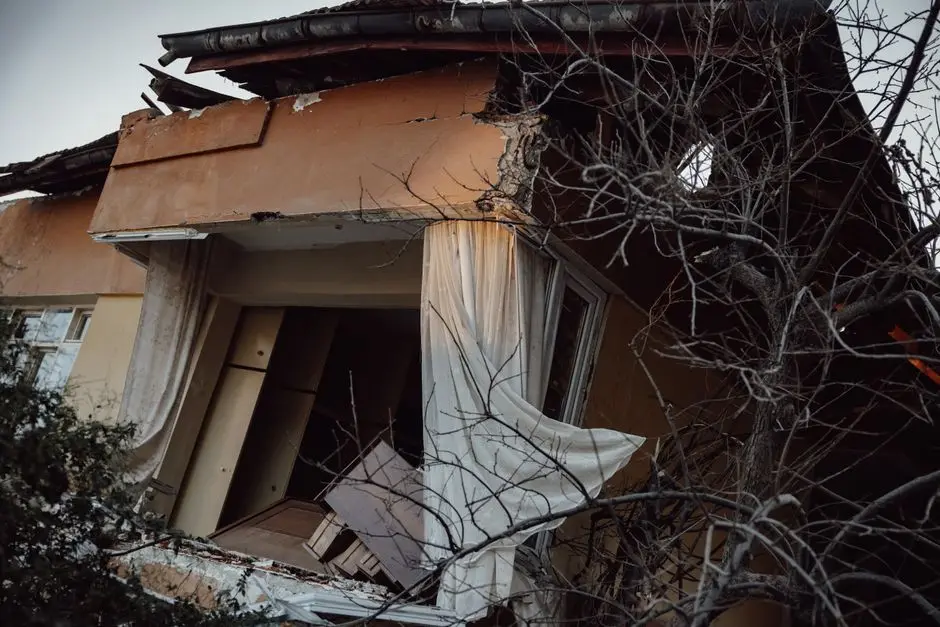
Exterior of a damaged house showing destruction from a natural disaster.
Licensed Licensed & Bonded
Fully Insured Insured & Bonded
24/7 Emergency Same-Day Response
Warranty Backed Workmanship Guaranteed

What Is Included in Water Damage Restoration

Every job starts with a written scope so you know what is covered before we touch anything. The core service covers extraction, drying, monitoring, antimicrobial treatment, and interior repairs. Plumbing repair itself is handled by a licensed plumber we coordinate with. Here is what a standard job includes.

Emergency Water Extraction

Truck-mounted extraction units remove standing water from carpet, padding, hard flooring, and low spots. For sewage or contaminated water, we remove and bag affected porous materials first. Most residential extraction wraps in two to four hours.
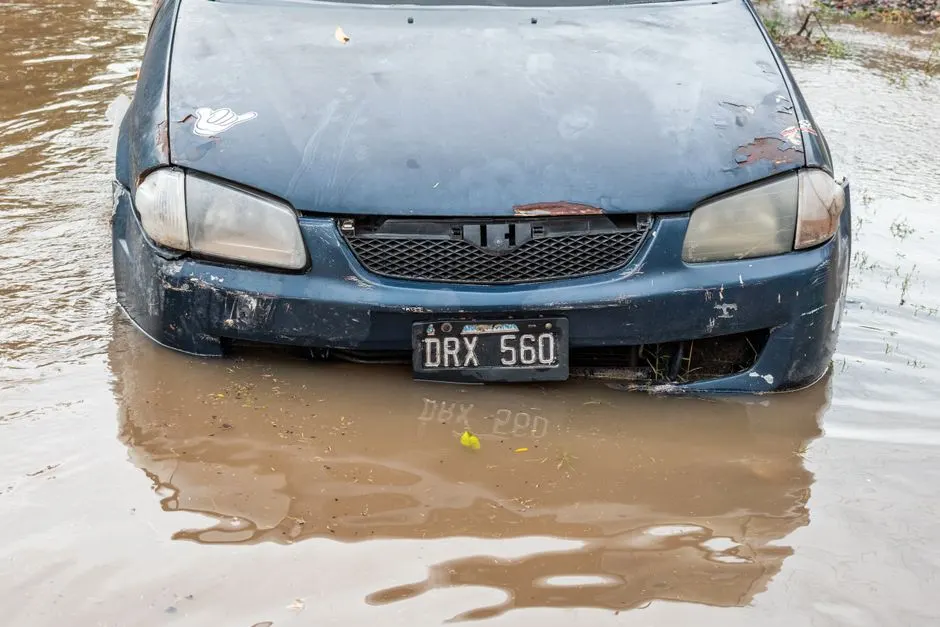
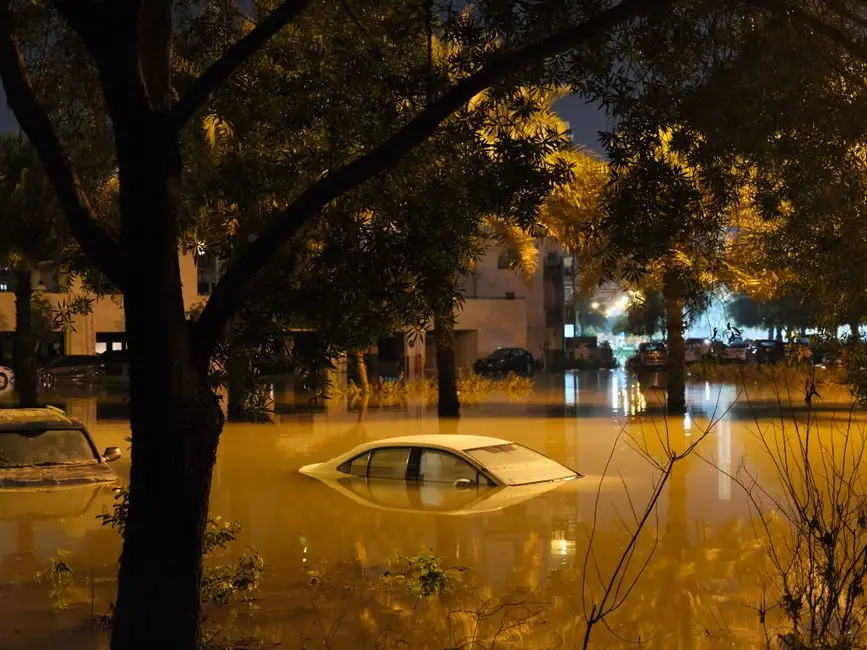
Structural Drying Setup

We position air movers and dehumidifiers in a calculated pattern based on room size and material type. Drying typically runs three to five days. Equipment placement is adjusted as daily moisture readings drop toward the dry standard.

Daily Moisture Monitoring

A technician checks moisture meter and hygrometer readings every day and logs them against the dry standard. You get a daily progress update. This record is what proves the structure is dry and supports your insurance claim.

Antimicrobial Treatment

Framing, cavity surfaces, and subfloor get treated with antimicrobial spray after extraction. This slows mold growth while the structure dries. It is standard practice on every job, not an upsell, and it is documented in your scope.

Interior Repairs

Once framing reads dry, we replace drywall, insulation, baseboards, and flooring. We test any repaired plumbing line before closing the wall. Finish work is included so you are not left with exposed framing and a second contractor to hire.

What Water Damage Restoration in Washington Actually Involves


Water Damage Restoration in Washington is the process of extracting standing water, drying structural materials to verified moisture levels, and repairing what the water ruined. It is not a shop vac and a box fan. We use moisture meters, thermal imaging cameras, and hygrometers to map exactly where water traveled through your walls, subfloor, and insulation. Then we pull it out with truck-mounted extraction units, position air movers and dehumidifiers, and monitor daily until your framing reads dry. Only then do we repair drywall, baseboards, and flooring.

Washington homes get hit from every direction: atmospheric river storms on the coast, frozen pipe bursts east of the Cascades, and year-round slab leaks under older construction. A slow appliance leak behind a dishwasher can soak a cabinet for weeks before you smell it. That is why we treat every call as urgent, whether you need emergency water damage restoration Washington homeowners rely on at 2 a.m. or a scheduled inspection after a roof leak. Water damage restoration services Washington property owners can count on start with a fast, honest assessment.

What to Expect From Call to Dry

Five steps, no mystery. Here is exactly how a job runs from the moment you call until the last piece of baseboard goes back on.

01

Schedule

Call or book online — a real human picks up and confirms a 2-hour arrival window.

02

Diagnose

Licensed tech inspects on-site, then walks you through the cause and your options.

03

Fix

The job is completed to code and done right the first time — no shortcuts, no surprises.

04

Guarantee

Every job backed by a written workmanship warranty — and we stand behind it.

Tools and Methods We Use

Tools & Equipment

Thermal Imaging Camera

Finds temperature differences that reveal hidden moisture behind walls, under floors, and in ceilings without tearing anything open. It maps the true wet boundary before we start cutting.

Moisture Meter and Hygrometer

Measures moisture content in drywall, wood, and concrete, and tracks relative humidity in the air. Daily readings are logged against the dry standard to prove when the structure is actually dry.

Truck-Mounted Water Extraction Unit

Pulls standing water out of carpet, padding, and hard flooring far faster than portable units. Deep extraction shortens the drying phase and saves more flooring from replacement.

Air Movers and Dehumidifiers

Dri-Eaz and Phoenix Restoration Equipment units move air across wet surfaces and pull moisture out of the air. Placement is calculated by room size and material type, then adjusted as readings drop.

Boroscope and Infrared Thermometer

The boroscope looks inside wall cavities and cabinets without demolition. The infrared thermometer checks surface temps to confirm where moisture is hiding. Both are used during the initial inspection.

Antimicrobial Spray and Sealant

Applied to framing, cavity surfaces, and subfloor after extraction to slow mold growth while the structure dries. Sealant goes on repaired surfaces before finish work to protect against future moisture.

Methods & Standards

ANSI/IICRC S500 Standard

The industry standard for water damage restoration. It defines water categories, drying goals, and documentation requirements. We follow it on every job, which is why our drying reports hold up with insurance adjusters.

Moisture Mapping and Daily Monitoring

We map the wet boundary with meters and thermal imaging, then log readings daily against a dry standard. Equipment placement is adjusted as readings drop. You see the numbers, not just a promise that it is dry.

Category-Based Material Handling

Clean water, gray water, and sewage each require different handling. Category 3 materials that are porous get removed and bagged, not dried and reused. This protects your health and your home long term.

IICRC WRT and ASD Protocols

Our technicians are trained in Water Restoration Technician and Applied Structural Drying protocols. That means drying is calculated, not improvised. It also means we know when a structure is dry enough to rebuild.

When to Call for Water Damage Restoration

01

A pipe bursts overnight in January and water is running across the floor before you wake up.

What we do: We walk you to the main shutoff while the crew is rolling, then extract standing water and map the wet boundary with thermal imaging. Drying equipment goes down the same day, and we coordinate the plumbing repair with a licensed plumber.

→ Water stops spreading within the hour, drying starts the same day, and most homes are back to dry framing in three to five days.

02

A storm drives rain through a roof flashing failure and water stains appear on the ceiling.

What we do: We tarp the roof to stop further intrusion, then trace the leak path through the attic and ceiling assembly. Wet insulation and drywall get removed, the cavity is dried, and we repair the interior once readings hit the dry standard.

→ The leak is stopped, the ceiling is dried and repaired, and you have documentation for your storm damage claim.

03

The water heater fails the day before a holiday and floods the utility room and hallway.

What we do: We extract the water, pull wet carpet and padding, and set drying equipment. The failed heater is documented for your claim. We replace drywall and baseboards once the framing reads dry, and coordinate the new heater install.

→ The flood is cleaned up, the structure is dry, and repairs are done without waiting on a second contractor.

04

A slow dishwasher leak soaks a cabinet and the floor underneath for weeks before you notice.

What we do: We pull the cabinet base, check the subfloor with a moisture meter, and dry the assembly in place where possible. Antimicrobial spray goes on the framing. If the subfloor is too far gone, we replace that section and match the flooring.

→ Hidden moisture is found and dried, mold growth is prevented, and the kitchen is put back together.

How Water Damage Restoration Runs Across Washington

Washington throws a wide range of water problems at homeowners. West of the Cascades, atmospheric river storms dump inches of rain in days and push water through roof flashing, foundation cracks, and crawl space vents. East of the mountains, hard freezes crack copper pipes and split PVC supply lines. Older Seattle and Tacoma neighborhoods have galvanized and early copper plumbing that fails at joints. Newer construction in Ridgefield and West Richland brings PEX lines and slab-on-grade floors where a slab leak can soak flooring from below. We size drying equipment for the actual conditions, whether that is a damp crawl space in Key Center or a sun-baked slab in Moxee. If you need water damage repair Washington near me, we are already in your region.

Neighborhoods We Serve

  • Ballard, Seattle

    Older homes with original galvanized plumbing and finished basements. Supply line failures and basement flooding are common calls here.

  • East Wenatchee

    Cold snaps drive frozen pipe bursts in crawl spaces and exterior walls. We see a spike in calls from December through February.

  • Fairchild Air Force Base Area

    Base housing and nearby rentals see appliance leaks and water heater failures. We coordinate access and documentation with property managers.

  • Key Peninsula

    High rainfall and older construction mean crawl space moisture and roof leaks. Drying equipment has to be sized for tight, low-clearance spaces.

Local Conditions We Plan For

  • Atmospheric river storms west of the Cascades

    Days of heavy rain overwhelm roof drainage and foundation waterproofing. Water intrusion shows up as ceiling stains, wet crawl spaces, and basement seepage that needs fast extraction and drying.

  • Hard freezes east of the mountains

    Temperatures drop low enough to burst copper and PVC supply lines in crawl spaces and exterior walls. These calls come in overnight and need immediate shutoff and extraction.

  • Aging plumbing in older urban neighborhoods

    Galvanized and early copper lines fail at joints and pinholes. Slow leaks soak cabinets and subfloors for weeks before they are noticed, which means hidden mold risk.

  • Slab-on-grade construction in newer developments

    A slab leak pushes water up through concrete into flooring adhesive and subfloor. Detection requires moisture meters and infrared thermometers, and drying takes longer.

Burst Supply Line in a Seattle Basement

Before

A supply line failed overnight and dumped water across 600 square feet of finished basement. Carpet was saturated, drywall was wet 18 inches up the wall, and the homeowner found it at 6 a.m. with water still running.

After

We extracted standing water in under three hours, pulled wet carpet and padding, and dried the framing and drywall in four days. Moisture readings returned to the dry standard. Repairs included new baseboards and paint on the lower wall sections.

Maintenance: We recommended a water alarm near the supply line and an annual inspection of the shutoff valve. Both are cheap insurance against a repeat.

Before

A main line backup pushed sewage into a ground-floor unit, soaking carpet, padding, and the bottom 12 inches of drywall. The tenant called the property manager, who called us within the hour.

After

We removed and bagged all contaminated porous materials, disinfected hard surfaces, and dried the structure in five days. New drywall, baseboards, and carpet went in during the repair phase. The claim was approved with no follow-up questions.

Maintenance: We flagged the aging cast iron drain line for replacement and recommended a backwater valve to prevent future backups.

Before

A hard freeze split a copper supply line in the crawl space. Water ran for hours before the homeowner noticed the floor felt spongy. The crawl space had standing water and saturated insulation across 400 square feet.

After

We pumped out the standing water, removed the wet insulation, and ran drying equipment sized for the low-clearance space. Framing dried in five days. A licensed plumber repaired the line, and we replaced the insulation and vapor barrier.

Maintenance: We recommended pipe insulation on all exposed supply lines and a crawl space dehumidifier to keep humidity down year-round.

Problems We Solve Before They Get Worse

Water damage rarely announces itself. It hides behind baseboards, under flooring, and inside wall cavities. Here are the problems we see most often across Washington and what happens if you leave them alone.

Problem

Hidden moisture behind walls after a leak

Drywall and insulation stay wet for weeks, feeding mold growth you cannot see until it smells or stains the paint. By then, remediation costs two to three times more than drying would have.

Our Fix

We run a thermal imaging camera and moisture meter across every wall in the affected zone. A boroscope checks inside cavities. We find the true wet boundary, then dry it to a verified reading instead of guessing.

Problem

Sewage backup in a basement or ground-floor drain

Category 3 water carries bacteria and pathogens. Anything porous it touches, including carpet, padding, and drywall, has to be removed. Leaving it in place risks illness and long-term odor problems.

Our Fix

We remove and bag contaminated materials, disinfect hard surfaces, and dry the structure. Our crews follow protective handling protocols on every sewage job. Then we replace what was removed so the space is usable again.

Problem

Slab leak soaking flooring from below

A slab leak pushes water up through the concrete and into flooring adhesive and subfloor. You may not notice until the floor feels spongy or the water bill spikes. Left alone, it undermines the slab and the finish floor.

Our Fix

We trace the wet boundary with moisture meters and infrared thermometers, extract what we can, and dry the assembly. We coordinate with a licensed plumber to fix the line, then repair the flooring once the slab reads dry.

Problem

Crawl space moisture feeding mold and rot

Poor airflow means crawl spaces stay wet long after the source stops. Wood framing rots, insulation sags, and mold spreads into the floor above. Repairs can run into the tens of thousands if framing is compromised.

Our Fix

We remove standing water, run drying equipment sized for the space, and treat framing with antimicrobial spray. We also check for sump pump and drainage issues so the problem does not come back next rainy season.

Why Fast, Professional Drying Pays Off

Why Fast, Professional Drying Pays Off

Mold can colonize wet drywall in 24 to 48 hours. Every hour you wait, the repair bill climbs. Here is what you get when you call us instead of waiting it out.

  • Mold Stopped Early

    Mold growth begins within 24 to 48 hours of saturation. We extract water and start drying the same day, then apply antimicrobial spray to framing and cavity surfaces. Catching it in that window saves you a remediation project that can run $3,000 to $10,000 or more.

  • Insurance Claims That Hold Up

    We photograph every affected material, log moisture readings room by room, and produce a drying report your adjuster can follow. That documentation is why most water damage repair Washington claims get approved without a fight. You get a copy of everything we send.

  • Structural Materials Saved

    Hardwood flooring, cabinetry, and framing can often be dried in place instead of torn out. Our drying equipment pulls moisture from wood flooring and subfloor assemblies fast enough that many floors are salvageable. Replacing them would cost two to three times more.

  • One Crew, Start to Finish

    We extract, dry, repair drywall and baseboards, and handle the finish work. No waiting on a second contractor to pick up where the drying crew stopped. That single-crew approach is what keeps affordable water damage restoration in Washington actually affordable.

What Water Damage Restoration Costs

Honest pricing starts with a written scope. In 2026, most residential jobs in Washington run $1,200 to $6,000, with the average around $2,800. Small contained leaks land near the low end. Flooded basements with sewage backup and rebuild work can exceed $10,000. We give you the scope before we start, and we document everything for your insurance claim. If you are comparing water damage restoration Washington cost estimates, ask whether repairs are included or if you will be hiring a second contractor.

Typical Investment Range

$1,200 - $10,000+ depending on scope

You are paying for fast extraction, verified drying, and repairs done by the same crew. That combination prevents mold, saves structural materials, and produces documentation your insurance adjuster can follow. Cheap drying that leaves moisture behind costs far more later.

What changes the price

01

Square footage affected

The bigger the wet area, the more extraction, drying equipment, and material replacement is needed. A 200-square-foot bathroom is a different job than a 1,200-square-foot finished basement.

02

Water category

Clean water from a supply line is the simplest. Gray water from a washing machine or dishwasher needs more care. Sewage backup is category 3 and requires removal of all porous materials, which adds labor and disposal cost.

03

Material types affected

Carpet and padding are usually removed and replaced. Hardwood and cabinetry can sometimes be dried in place, which saves money. Concrete and tile take longer to dry and may need specialized equipment.

04

How long the water sat

Water that sat for days spreads further and starts mold growth. That means more demolition, antimicrobial treatment, and sometimes mold remediation on top of the drying job.

05

Repair scope

Extraction and drying are one cost. Replacing drywall, insulation, baseboards, flooring, and paint is another. Jobs that include full repairs cost more but save you from hiring and scheduling a second contractor.

Licensed, Certified, and Documented

Licensed & Certified

  • IICRC WRT (Water Restoration Technician) — issued by Institute of Inspection, Cleaning and Restoration Certification
  • IICRC ASD (Applied Structural Drying) — issued by Institute of Inspection, Cleaning and Restoration Certification
  • IICRC AMRT (Applied Microbial Remediation Technician) — issued by Institute of Inspection, Cleaning and Restoration Certification
  • EPA Lead-Safe Certified Firm — issued by U.S. Environmental Protection Agency
  • OSHA 10 Construction Safety — issued by Occupational Safety and Health Administration

Verified Reviews

Google ★★★★★4.9

Called at 1 a.m. about a burst pipe and a technician answered. They walked me through shutting off the main while the crew was on the way. Extraction started before 3 a.m. Drying took four days and they sent daily updates. Insurance covered it without a fight.

Yelp ★★★★★4.8

Sewage backup in our basement. They removed everything contaminated, disinfected, and dried the space. The scope was clear and there were no surprise charges. Repairs were done by the same crew, which saved us weeks of scheduling.

BBB ★★★★★4.9

Frozen pipe burst in our crawl space during a cold snap. They fit drying equipment into a tight space and got the framing dry in five days. Also flagged a failing sump pump we replaced before the next storm. Straightforward and professional.

Google ★★★★★5.0

Roof leak soaked our ceiling and attic insulation. They tarped the roof the same day, traced the leak path, and dried everything. Repairs look like nothing ever happened. Documentation was thorough and our adjuster approved the claim quickly.

Crews Trained for Washington Water Damage

Our technicians hold IICRC WRT (Water Restoration Technician) and IICRC ASD (Applied Structural Drying) certifications, and we work to the ANSI/IICRC S500 standard on every job. Several team members carry IICRC AMRT for mold work and EPA Lead-Safe certification for pre-1978 homes, which matters in older Washington neighborhoods. We are a state-licensed contractor, fully bonded and insured, with OSHA 10 training on every crew. That combination means we know how to dry a structure to a verified number, not to a guess, and we document it the way adjusters expect.

  • IICRC WRT and ASD certified technicians on every drying job
  • ANSI/IICRC S500 standard followed from extraction through final readings
  • EPA Lead-Safe certified for pre-1978 homes with painted surfaces
  • State-licensed contractor, bonded and insured, OSHA 10 trained
  • Direct insurance documentation with photo logs and daily moisture records
Get Started Today
Crews Trained for Washington Water Damage

Cities We Serve for Water Damage Restoration

Our crews cover the whole state, from the Puget Sound metro to the Columbia Basin and the Spokane area. Whether you need emergency water damage restoration Washington homeowners call at midnight or a scheduled inspection after a slow leak, we dispatch from the nearest available crew. Here are some of the communities we serve regularly.

Seattle

Older homes with galvanized and early copper plumbing mean supply line failures and basement flooding. We handle extraction, drying, and repairs across the city.

Kent

Rental units and multi-family properties see water heater failures and appliance leaks. We document everything for property managers and insurance carriers.

Wenatchee

Hard freezes split copper and PVC lines in crawl spaces and exterior walls. We respond 24/7 through the winter months for burst pipe cleanup and drying.

Burien

Mid-century homes with finished basements flood from foundation seepage and drain backups. We extract, dry, and repair the interior damage.

SeaTac

Rental housing and commercial properties near the airport see appliance leaks and storm intrusion. We work around tenant schedules and document for claims.

Battle Ground

Newer construction with slab-on-grade floors can hide slab leaks under flooring. We use moisture meters and infrared thermometers to find and dry them.

West Richland

Columbia Basin heat and cold swings stress plumbing. We handle pipe bursts, water heater failures, and storm water intrusion with same-day response.

Ridgefield

Growing neighborhoods with PEX plumbing and slab foundations. We trace hidden leaks and dry the assembly before mold takes hold.

Yelm

High rainfall and rural properties mean crawl space moisture and roof leaks. We size drying equipment for tight, low-clearance spaces.

Toppenish

Agricultural-area homes see well system failures and irrigation-related water intrusion. We extract, dry, and repair the affected structure.

Steilacoom

Older waterfront homes face storm intrusion and foundation seepage. We respond fast to stop the water and dry the structure to verified levels.

Newman Lake

Lakefront properties deal with seasonal flooding and crawl space moisture. We pump out standing water and dry framing before rot sets in.

Moxee

Sun-baked slab foundations and hard freezes create pipe stress. We handle burst pipe cleanup, slab leak drying, and interior repairs.

Key Center

Key Peninsula rainfall drives roof leaks and crawl space moisture. We extract water and run drying equipment sized for older, tight construction.

Fairchild Air Force Base

Base housing and nearby rentals see appliance leaks and water heater failures. We coordinate access and documentation with property managers.

Frequently Asked Questions

Real answers to the questions we hear most often from local homeowners and property managers.

How much does water damage restoration cost in Washington?
Most residential jobs in Washington run $1,200 to $6,000 in 2026, with the average around $2,800. A small appliance leak that stays contained might land near $1,200. A flooded basement with sewage backup and torn-out drywall can exceed $10,000. Square footage affected, water category, and how much material has to be removed drive the number. We give you a written scope before work starts.
What is included in water damage restoration in Washington?
A full job includes emergency water extraction, structural drying with air movers and dehumidifiers, daily moisture monitoring, antimicrobial treatment, removal of unsalvageable materials, and repairs to drywall, baseboards, and flooring. We also document everything for your insurance claim. Plumbing repair itself is handled by a licensed plumber, and we coordinate that so you are not chasing two schedules.
How long does water damage restoration take in Washington?
Extraction usually takes two to four hours. Structural drying runs three to five days for most homes, sometimes longer for crawl spaces or dense materials like hardwood over plywood. Repairs add another three to ten days depending on scope. A contained appliance leak might wrap in under a week total. A flooded basement with rebuild work can run two to three weeks.
Does insurance cover water damage restoration in Washington?
Most homeowner policies cover sudden and accidental water damage, including burst pipes, appliance failures, and storm intrusion. Gradual leaks and neglected maintenance are usually excluded. We document the loss with photos and moisture logs, write the scope in adjuster language, and send it straight to your carrier. You get copies of everything so you can follow the claim yourself.

Related Services

Emergency Water Removal

When water is still rising, emergency water removal comes first. We pull standing water out of rooms, crawl spaces, and basements before drying begins. This is the step that stops the damage from spreading into adjacent walls and floors.

View Emergency Water Removal

Water Extraction

Truck-mounted extraction units pull water out of carpet, padding, and hard flooring far faster than portable shop vacs. Deep extraction is what makes the drying phase shorter and saves more of your flooring and subfloor from replacement.

View Water Extraction

Flood Damage Restoration

Floodwater carries silt, chemicals, and contaminants that regular water does not. Flood damage restoration includes removal of contaminated materials, antimicrobial treatment, and drying to verified levels before any rebuild work begins on your Washington property.

View Flood Damage Restoration

Storm Damage Restoration

Washington storms drive rain through roofs, windows, and siding. We tarp and board to stop further intrusion, then extract water and dry the structure. Storm damage restoration also covers the interior repairs once the building is sealed and dry.

View Storm Damage Restoration

Basement Water Damage Restoration

Basements flood from sump pump failures, foundation seepage, and backed-up drains. We extract the water, dry concrete and framing, and check for crawl space moisture migration. If the source is a failed sump pump, we document it for your claim.

View Basement Water Damage Restoration

Crawl Space Water Removal

Crawl spaces trap moisture and grow mold fast because airflow is poor. We remove standing water, run specialized drying equipment in the space, and treat framing with antimicrobial spray. Leaving a wet crawl space alone invites rot and long-term structural problems.

View Crawl Space Water Removal

Get Water Damage Restoration in Washington Started Now

Water spreads while you wait. Call now and we will dispatch a crew, walk you through shutting off the source, and give you a written scope before work begins. Licensed, insured, and answering 24/7 across Washington.

Call (855) 516-3683 Call Now

Contact Water Damage Pros Washington

Call (855) 516-3683 any time, day or night. Our dispatchers are live 24/7 and can send the nearest crew to your address within the hour for most Washington locations. If you prefer email, send photos and your address to [email protected] and we'll follow up fast.

Water Damage Pros Washington


  • Address

    Washington

  • Hours

    Mon–Fri: 7AM – 7PM
    Sat: 8AM – 4PM
    Sun: Emergency Only
    24/7 Emergency Available

Call (855) 516-3683 Get Quote
Call Quote