
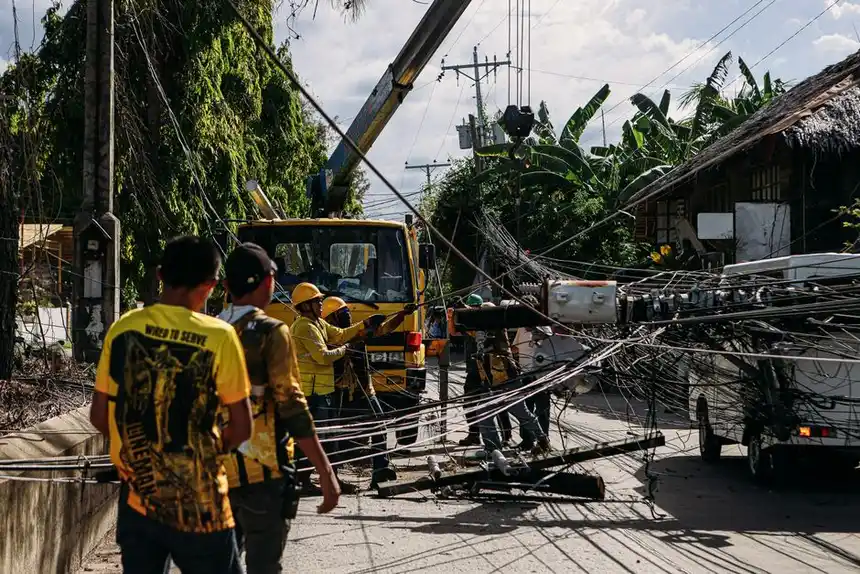
Emergency Tarping and Board-Up
We cover roof breaches, broken windows, and damaged siding with tarps and plywood so rain and wind stay out while we work inside. This happens on the first visit, often within 60 to 90 minutes of your call.
Every storm job is different, but the core scope is consistent. Here is what is included in a standard storm damage restoration Washington project, from the first emergency call through the final walkthrough. If your job needs something outside this list, we tell you upfront before we start.
We cover roof breaches, broken windows, and damaged siding with tarps and plywood so rain and wind stay out while we work inside. This happens on the first visit, often within 60 to 90 minutes of your call.
Truck-mounted extraction units pull standing water from carpet, hardwood, and crawl spaces. We remove soaked carpet padding, storm debris, and any materials that cannot be dried in place, then haul it all away.
We place Dri-Eaz and Phoenix Restoration Equipment dehumidifiers and air movers, then log moisture readings daily with a hygrometer and moisture meter. Drying runs three to five days on a typical job.
Any area exposed to storm water gets an antimicrobial spray after extraction and before rebuild. This stops mold growth from taking hold in drywall, framing, and insulation while the structure finishes drying.
We replace drywall, insulation, baseboards, wood flooring, and carpet padding, and we complete roof and siding repairs. You get one crew from tarp to trim instead of coordinating three contractors.
We photograph the damage, log moisture readings, and produce a scope your adjuster can process. We bill your carrier directly and walk you through what is covered versus what you pay out of pocket.
Storm Damage Restoration in Washington is the process of securing a storm-damaged home, removing water and debris, drying the structure to documented standards, and repairing what the storm ruined. It starts with emergency board-up or tarping, moves into water extraction with truck-mounted units, then structural drying using dehumidifiers and air movers positioned per ANSI/IICRC S500. We verify moisture content with a moisture meter and thermal imaging camera before we ever close a wall back up.
Washington storms hit differently depending on where you live. Puget Sound windstorms drive rain sideways into siding and attic vents, while eastern Washington hail and flash flooding push water through crawl space vents and basement windows. If you are searching for storm damage restoration Washington near me after a November windstorm, the priority is the same everywhere: stop the water, dry the structure, and document everything for your claim before secondary damage sets in.
Every job follows the same sequence, whether it is a roof leak in Spokane Valley or a flooded basement in Sunnyside. Here is exactly what happens from the moment you call until the last piece of trim goes back on.
Schedule
Call or book online — a real human picks up and confirms a 2-hour arrival window.
Diagnose
Licensed tech inspects on-site, then walks you through the cause and your options.
Fix
The job is completed to code and done right the first time — no shortcuts, no surprises.
Guarantee
Every job backed by a written workmanship warranty — and we stand behind it.
Moisture Meter and Hygrometer
We use these to measure moisture content in drywall, framing, and flooring, and to track relative humidity in the drying chamber. Readings are logged daily so we know exactly when the structure is dry.
Thermal Imaging Camera
Infrared scans reveal water hidden behind walls, under floors, and in ceiling cavities. It is how we find the leak path after a roof breach or a burst pipe without tearing out every wall.
Dri-Eaz and Phoenix Dehumidifiers
Low-grain refrigerant and desiccant dehumidifiers pull moisture out of the air so wet materials can release their water. We size units to the cubic footage of each affected room.
Air Movers and Water Extraction Units
High-velocity air movers evaporate moisture from surfaces while truck-mounted extraction units pull standing water out of carpet and hard floors. Both run continuously during the dry-out.
Boroscope and Infrared Thermometer
A boroscope lets us inspect inside wall cavities and crawl spaces without demolition. The infrared thermometer checks surface temperatures to confirm equipment is working and no cold spots are trapping moisture.
Sump Pump and Antimicrobial Spray
Sump pumps clear standing water from basements and crawl spaces fast. Antimicrobial spray goes down after extraction to stop mold growth on framing, drywall, and subfloor.
ANSI/IICRC S500 Drying Standard
This is the industry standard for water damage restoration, and we follow it on every job. It defines how to classify water, place equipment, and verify dryness. Following it means our drying documentation holds up to insurance audits and home inspections.
Daily Moisture Monitoring
We take moisture readings every day of the dry-out and adjust equipment placement based on the numbers. If a wall is not drying, we find out why and fix it rather than pulling equipment on a calendar schedule.
Thermal Imaging Moisture Mapping
Before we place any equipment, we scan the whole affected area with a thermal imaging camera and mark wet zones. This catches water that migrated into adjacent rooms or under flooring, which is where most missed damage hides.
Containment and Negative Air
On jobs with mold risk or sewage contamination, we set up plastic containment and run negative air machines with HEPA filtration. This keeps spores and contaminants out of the rest of the house while we work.
01
What we do: We tarp the roof the same night, extract water from the attic and ceiling, and dry the framing. Once dry, we replace the damaged shingles, decking, insulation, and ceiling drywall.
→ You avoid a mold problem and a rotted roof deck, and your insurance claim is documented from hour one.
02
What we do: We pump and extract the standing water, remove soaked carpet and padding, apply antimicrobial spray, and run dehumidifiers until the concrete and framing are dry.
→ Your basement is dry in three to five days instead of staying damp all winter and growing mold behind the drywall.
03
What we do: We board up the breach, open the wall to dry the cavity, run air movers and a dehumidifier, and repair the siding and interior wall once moisture readings are back to dry standard.
→ The wall is repaired and dry, and you have documentation showing the cavity was dried before it was closed.
04
What we do: We shut off the water, extract from the garage and any adjacent rooms, dry the wall cavities, and repair the failed pipe. Thermal imaging confirms no hidden moisture remains.
→ Water damage is contained to one wall instead of spreading into the kitchen and hallway.
Washington storms are not one thing. West of the Cascades, you get atmospheric rivers and windstorms that drive rain into siding, attic vents, and crawl space vents for days at a time. East of the mountains, you get hail, flash flooding, and freeze-thaw cycles that crack pipes and split roofing. Building stock matters too: pre-1978 homes in older neighborhoods often have galvanized plumbing, minimal insulation, and crawl spaces that hold moisture. We adjust our drying plan to the house, not the calendar. If you need 24/7 storm damage repair in Washington, we dispatch from the nearest crew and bring equipment sized for your square footage. We also know the local permit offices and inspection timelines, so repairs do not stall waiting on paperwork.
Tacoma
Older homes near the port have galvanized pipes and crawl spaces that flood fast. We check both on every storm call.
Spokane Valley
Hail and windstorms hit hard here. Roof damage and attic leaks are the most common calls we get from this area.
Mount Vernon
Skagit River flooding and heavy rain push water into basements and crawl spaces. Sump pumps and vapor barriers are standard fixes.
Leavenworth
Mountain snowmelt and freeze-thaw cycles crack pipes and stress roofs. We see burst pipe calls here every winter.
Mercer Island
Larger homes with complex rooflines mean more places for water to enter. Thermal imaging is essential on these jobs.
Atmospheric river rain events lasting two to four days
Sustained rain saturates soil and overwhelms drainage, pushing water into crawl spaces and basements. Drying takes longer because ambient humidity stays high, so we run dehumidifiers continuously.
Windstorms with gusts over 60 mph
Wind tears off shingles, breaks windows, and drops trees on roofs. Emergency tarping and board-up are the first priority before interior water damage can be addressed.
Freeze-thaw cycles in eastern Washington
Pipes in exterior walls and unheated garages freeze and burst. We see a spike in pipe burst cleanup calls after every cold snap, often at 2 a.m.
Hailstorms in the Columbia Basin
Hail cracks roofing, dents gutters, and punches holes in siding. Water then enters the wall cavity, which is why we scan with thermal imaging before repairing the exterior.
Storms leave behind more than wet carpet. Here are the most common problems we see on storm damage restoration Washington jobs, and what happens if you let them sit.
Problem
Wet insulation loses R-value, ceiling drywall sags, and mold can start in the attic within 48 hours. Left alone, the leak rots roof decking and framing.
Our Fix
We tarp the breach, extract water from the attic and ceiling cavity, remove wet insulation, and dry the framing with air movers before repairing the roof and replacing the drywall.
Problem
Standing water wicks up drywall and into baseboards, and if the water is contaminated, everything it touches becomes a health hazard. Slab and framing moisture can persist for weeks.
Our Fix
We pump and extract the water, remove contaminated materials, apply antimicrobial spray, and run dehumidifiers until moisture content matches a dry standard. Then we repair the basement and check the sump pump.
Problem
Crawl space moisture rots floor joists, warps wood flooring above, and feeds mold growth that circulates into the living space. It is the most commonly missed storm damage in Washington homes.
Our Fix
We remove standing water, run dehumidifiers and air movers under the house, and install a vapor barrier. We verify with a moisture meter before closing up the access.
Problem
A cracked copper or PVC pipe can dump hundreds of gallons into walls and floors before you notice. Water travels fast and often reaches rooms far from the break.
Our Fix
We shut off the water, extract from every affected room, dry the wall cavities, and repair the failed line. Thermal imaging camera scans find the water you cannot see.
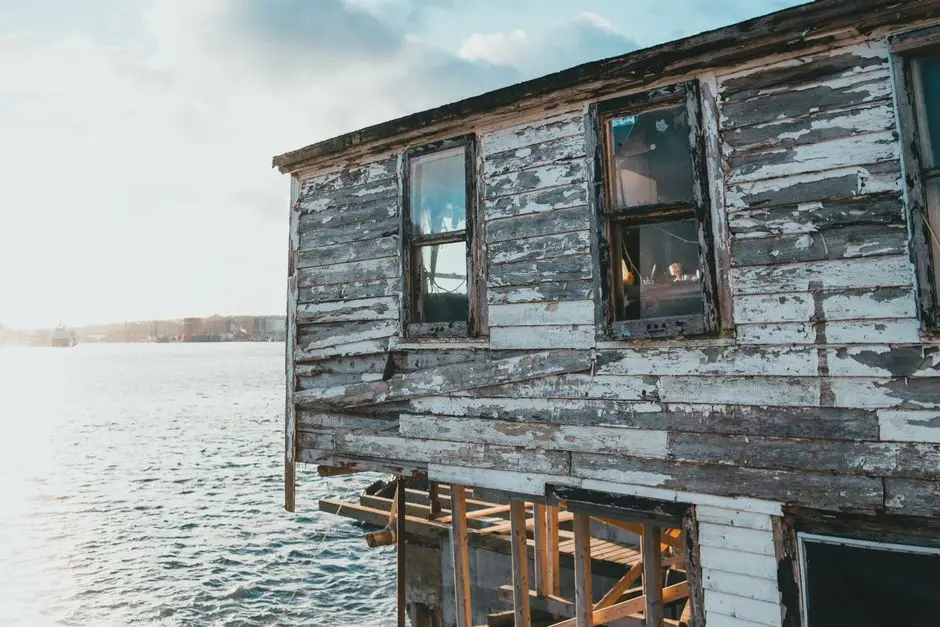
Storm damage gets worse by the hour. Water wicks into drywall, insulation, and wood flooring, and mold can colonize a wet crawl space in 24 to 48 hours. Here is what you get when you call us instead of waiting on a handyman.
24/7 Emergency Response
We answer the phone at 2 a.m. when a frozen pipe burst floods your kitchen. Crews roll with water extraction units, tarps, and board-up materials already loaded, so emergency storm damage restoration Washington-wide starts the same night you call, not three days later.
Direct Insurance Documentation
We photograph every affected room, log moisture readings with a hygrometer, and produce a scope your adjuster can actually use. Most storm damage repair Washington claims move faster when the paperwork is done right the first time, and we talk to your adjuster so you do not have to.
Certified Drying Standards
Our technicians hold IICRC WRT and IICRC ASD credentials and dry to ANSI/IICRC S500. That means daily moisture logs, calibrated equipment, and a written drying report at the end. If your home ever sells or your insurer audits the claim, you have proof the work was done to standard.
We Repair, Not Just Dry
Extraction and drying are half the job. We replace drywall, insulation, baseboards, and damaged roofing so you are not stuck coordinating three different contractors. One crew, one invoice, and a finished home instead of a dried-out shell.
Storm damage restoration in Washington typically runs $1,800 to $8,500 for residential jobs, with minor roof leak repairs starting around $650 and full basement restorations reaching $15,000 or more. Typical 2026 pricing in this area depends on how much water entered, what materials got wet, and how much has to be replaced. We give you a written estimate before work starts, and we tell you what your insurance should cover.
Typical Investment Range
$650 - $15,000+ depending on scope
The cost of drying a structure is almost always less than the cost of replacing it. Catching storm damage in the first 24 hours is the single biggest factor in keeping your repair bill down and your insurance claim simple.
What changes the price
Square footage affected
The more area that got wet, the more equipment, labor, and materials the job needs. A single room dry-out is a fraction of the cost of a whole-floor restoration.
Water category
Clean water from a roof leak is category 1. Sewage backup and storm surge are category 3, which requires removal of contaminated materials, antimicrobial treatment, and more labor.
Materials damaged
Carpet and padding are cheap to replace. Hardwood flooring, custom cabinetry, and finished basements cost more. We tell you what can be dried in place versus what has to come out.
Mold presence
If mold has already started, we add containment, HEPA filtration, and remediation to the scope. Catching it early saves thousands compared to remediating a full room.
Roof and exterior repairs
Tarping is included in emergency response. Full roof, siding, and window repairs are priced separately based on materials and access. Steep or multi-story roofs cost more to work on.
Google ★★★★★4.9
Called at midnight after a pipe burst and they were at the house in under an hour. Extraction started immediately, drying ran four days, and they replaced the drywall and baseboards the following week. Insurance covered everything and the adjuster said the documentation was thorough.
Yelp ★★★★★4.8
Our crawl space flooded after a week of rain and we did not know where to start. They pumped it out, dried it, and installed a vapor barrier. Fair pricing, no upselling, and they explained every step before doing it.
BBB ★★★★★4.9
Hailstorm damaged our roof and siding and water got into two bedrooms. They tarped the roof the same day, dried the walls, and handled the insurance paperwork. Repairs were finished in under two weeks and the moisture readings were dry before they closed the walls.
Our technicians carry IICRC WRT, IICRC ASD, and IICRC AMRT certifications, plus EPA Lead-Safe and OSHA 10 training. We work under a Washington State Contractor License and follow ANSI/IICRC S500 on every water job. That matters in a state where one storm can drop a tree on a roof in Hansville and flood a crawl space in Chimacum in the same week. We have dried crawl spaces, basements, attics, and commercial buildings across western and eastern Washington, and we know how Pacific Northwest building stock behaves when it gets wet.
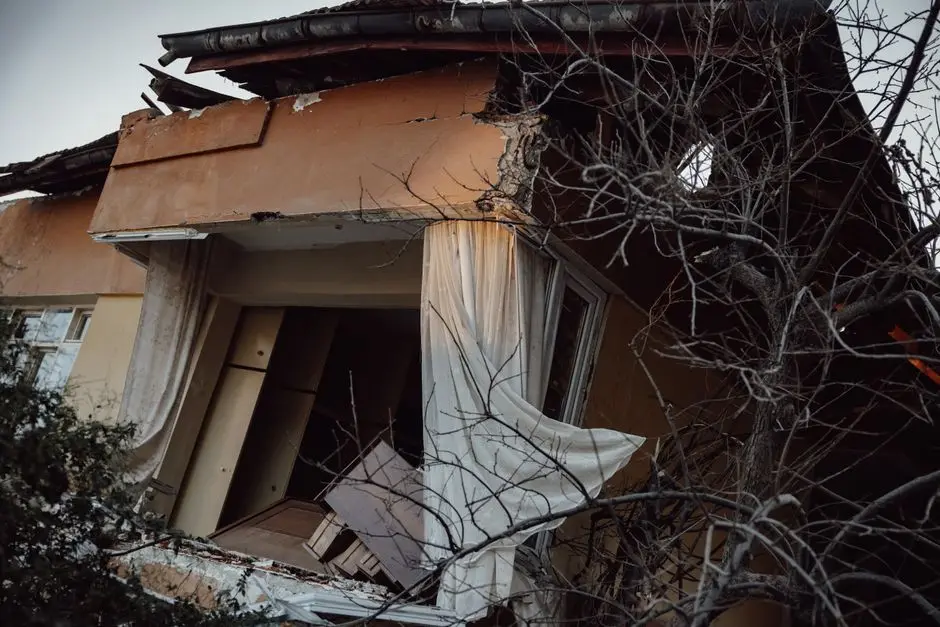
We deliver storm damage restoration across Washington, from the Puget Sound lowlands to the Columbia Basin and the Olympic Peninsula. Whether you are in a city or a rural community, our crews bring the same equipment, the same certifications, and the same 24/7 response. Here are some of the communities we serve most often.
Older Tacoma homes near the port have galvanized plumbing and crawl spaces that flood fast. We handle emergency extraction, structural drying, and full repairs for windstorm and rain damage.
Hail and windstorms hit Spokane Valley hard. We tarp roofs, dry attic and wall cavities, and repair siding and roofing after every major storm that rolls through the valley.
Skagit River flooding and heavy rain push water into Mount Vernon basements and crawl spaces. We pump, extract, dry, and install vapor barriers to keep the next storm out.
Lake Stevens gets wind-driven rain that finds its way into siding and attic vents. We handle emergency tarping, interior drying, and roof repairs for homeowners across the area.
Mercer Island homes often have complex rooflines and larger square footage. We use thermal imaging to find hidden moisture and dry the structure to ANSI/IICRC S500 before any repairs.
Mill Creek storm damage usually means roof leaks and wet attics. We tarp, extract, dry, and repair, and we document everything for your insurance claim from the first visit.
Sunnyside sees freeze-thaw cycles that crack pipes and hail that damages roofing. We handle pipe burst cleanup, water extraction, and full storm damage repairs.
Liberty Lake storms bring wind and hail that damage roofs and siding. We tarp the breach, dry the wall cavities, and repair the exterior so water stops getting in.
Snohomish river valley flooding and heavy rain push water into basements and crawl spaces. We pump, extract, dry, and rebuild, and we check drainage so it does not happen again.
Stanwood gets coastal wind and rain that drives into siding and window frames. We handle emergency board-up, water extraction, structural drying, and repairs.
Tracyton homes near the water deal with wind-driven rain and crawl space moisture. We remove standing water, run dehumidifiers, and install vapor barriers to keep the space dry.
Connell sees flash flooding and freeze-thaw pipe bursts. We respond 24/7 for emergency extraction, structural drying, and pipe repair across the Columbia Basin.
Chimacum gets heavy rain and wind off the Olympic Peninsula. We handle roof leaks, crawl space flooding, and full storm damage restoration for rural properties.
Hansville coastal storms drive rain into siding and attic vents. We tarp, extract, dry, and repair, and we document moisture readings for your insurance claim.
Leavenworth freeze-thaw cycles crack pipes and stress roofs. We handle burst pipe cleanup, water extraction, and storm damage repairs through the winter months.
Real answers to the questions we hear most often from local homeowners and property managers.
Storm intrusion is water damage with a weather event attached. We extract, dry, and restore the structure to ANSI/IICRC S500, whether the water came through a roof breach or a basement window.
View Water Damage RestorationWhen a storm drops two inches of rain in an hour, standing water has to go fast. We run truck-mounted extraction units to pull water out of carpet, hardwood, and crawl spaces before it wicks into the framing.
View Emergency Water RemovalExtraction is the first physical step after any storm flood. We use water extraction units and weighted extraction heads to pull water from carpet and padding, then check moisture content with a meter before moving to drying.
View Water ExtractionFlooding from storm surge, creek overflow, or overwhelmed storm drains needs category 3 handling. We remove contaminated materials, apply antimicrobial spray, and rebuild the affected areas to code.
View Flood Damage RestorationStorm water finds basement window wells and floor drains first. We pump, extract, dry, and repair basements, and we check the sump pump and drainage so the next storm does not repeat the flood.
View Basement Water Damage RestorationCrawl space moisture after a storm leads to mold growth and rotted joists. We remove standing water, run dehumidifiers, and install vapor barriers so the space stays dry through the rest of the wet season.
View Crawl Space Water RemovalCall (855) 516-3683 any time, day or night. Our dispatchers are live 24/7 and can send the nearest crew to your address within the hour for most Washington locations. If you prefer email, send photos and your address to [email protected] and we'll follow up fast.
Phone
(855) 516-3683Address
Washington
Hours
Mon–Fri: 7AM – 7PM
Sat: 8AM – 4PM
Sun: Emergency Only
24/7 Emergency Available