
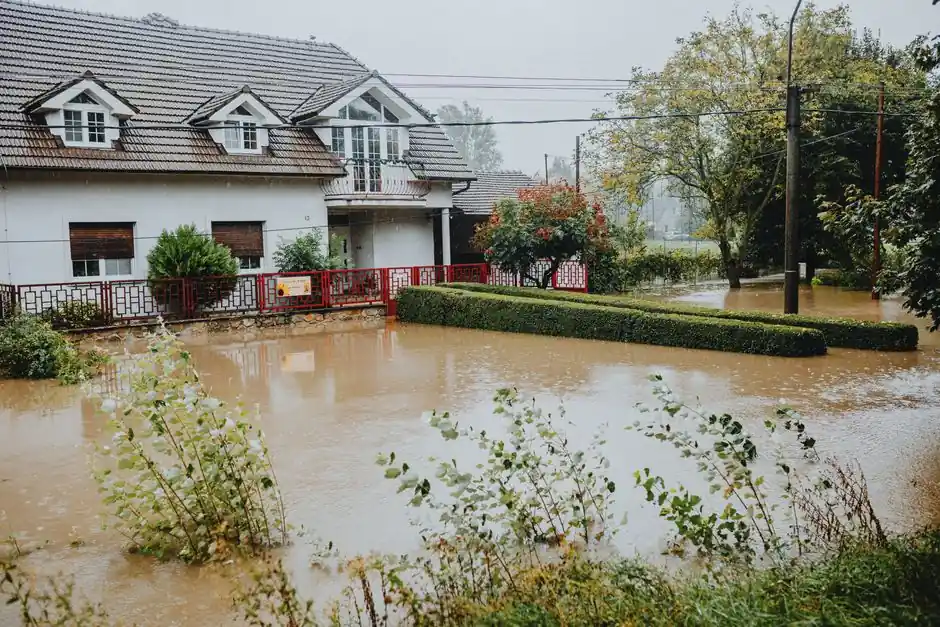
Emergency Water Extraction
Truck-mounted extraction units remove standing water from carpet, hardwood, concrete, and crawl spaces. We use weighted extraction on carpet and pad to pull water the shop vac cannot reach.
Every job is different, but here is what is standard on a flood damage restoration Washington project. If something falls outside this scope, we tell you upfront before we start.
Truck-mounted extraction units remove standing water from carpet, hardwood, concrete, and crawl spaces. We use weighted extraction on carpet and pad to pull water the shop vac cannot reach.
We use moisture meters, thermal imaging cameras, and boroscopes to find hidden water behind walls and under floors. Every reading is logged and photographed for your insurance claim.
Air movers and dehumidifiers sized to the space. Technicians return daily to log readings with hygrometers. Equipment stays until the structure hits dry standard, not a calendar date.
Affected areas get antimicrobial spray to inhibit mold growth. Critical after sewage backups, storm water intrusion, or any Category 2 or 3 water event. We follow ANSI/IICRC S500 protocols.
Drywall, insulation, baseboards, wood flooring, carpet padding, and pipe repairs. We replace what the water ruined and bring it back to code, from PVC and copper pipe to finished surfaces.
We document the loss to carrier standards, communicate with your adjuster, and bill directly where possible. You get a copy of everything. No surprises on your out-of-pocket.
Flood Damage Restoration in Washington is the process of extracting standing water, drying structural materials to verified moisture levels, and repairing what the water ruined. It is not a shop vac and a box fan. We use moisture meters and thermal imaging cameras to map where water traveled behind drywall, under wood flooring, and into insulation. Then we pull it out with truck-mounted water extraction units, set Dri-Eaz and Phoenix Restoration Equipment air movers and dehumidifiers, and monitor daily until readings match a dry standard. Only then do repairs begin.
Washington homes get hit from every direction. Atmospheric rivers dump inches in a day on the coast, frozen pipe bursts tear through crawl spaces east of the Cascades, and year-round rain finds every roof leak and failed sump pump. That is why Washington flood cleanup is not a one-size job here. A 1920s Craftsman in Tacoma has different failure points than a new build in Pasco. We read the building, not just the water line.
Here is exactly what happens from the moment you call until the last piece of trim goes back on. No surprises, no vague timelines.
Schedule
Call or book online — a real human picks up and confirms a 2-hour arrival window.
Diagnose
Licensed tech inspects on-site, then walks you through the cause and your options.
Fix
The job is completed to code and done right the first time — no shortcuts, no surprises.
Guarantee
Every job backed by a written workmanship warranty — and we stand behind it.
Truck-Mounted Water Extraction Unit
Pulls hundreds of gallons of standing water fast from carpet, hardwood, and concrete. The workhorse of any flood cleanup Washington job.
Thermal Imaging Camera
Reveals hidden moisture behind walls, under floors, and in ceilings without tearing anything out. We use it to map the full extent of water travel.
Moisture Meter and Hygrometer
Measures moisture content in drywall, framing, and subfloor. We log readings daily to confirm the structure is drying on track.
Dri-Eaz and Phoenix Restoration Equipment
Industry-standard air movers and dehumidifiers. Sized to the cubic footage of the affected area and monitored daily until dry standard is reached.
Boroscope
A camera on a flexible rod that lets us see inside wall cavities and crawl spaces without demolition. We find water and mold where the eye cannot reach.
Infrared Thermometer
Confirms surface temperatures and helps identify evaporative cooling patterns that indicate hidden moisture. A quick, non-invasive diagnostic tool.
Antimicrobial Spray and Sealant
Applied to affected framing and surfaces after extraction and drying. Inhibits mold growth and seals porous materials. Standard on Category 2 and 3 jobs.
ANSI/IICRC S500 Standard
The industry standard for water damage restoration. It defines water categories, drying protocols, and documentation requirements. We follow it on every job, which is why our drying reports hold up with insurance carriers.
IICRC WRT and ASD Protocols
Water Restoration Technician and Applied Structural Drying certifications. Our technicians are trained to size equipment correctly, monitor drying scientifically, and know when a structure is actually dry, not just dry to the touch.
Daily Moisture Monitoring
We log readings every day with hygrometers and moisture meters. If a reading stalls, we adjust equipment or investigate further. No guessing, no pulling equipment early to save a day.
EPA Lead-Safe Practices
Required on pre-1978 homes. We follow lead-safe work practices during demolition and repair to protect your family and our crew. Important in older Washington neighborhoods.
01
What we do: Call us immediately. We dispatch a crew, extract the water, set drying equipment, and document the loss for your insurance claim. Fast response limits how far water wicks into walls and how much material has to be replaced.
→ Your basement is dry in three to five days, and your claim is documented properly so you are not fighting the adjuster later.
02
What we do: Shut off the main water valve if you can reach it, then call us. We cut into the wall, extract water, dry the cavity, repair the pipe, and replace the drywall and insulation.
→ The pipe is fixed, the wall is dry, and you have a documented repair that passes inspection and holds up at resale.
03
What we do: We pump out the standing water, dry the crawl space with specialized equipment, treat framing with antimicrobial spray, and help you replace the sump pump with a more reliable unit.
→ The crawl space is dry and treated, and your new sump pump keeps it that way through the next wet season.
04
What we do: Do not touch the water. Call us. We follow Category 3 protocols: remove contaminated materials, disinfect, dry, and document everything for your insurance claim.
→ The contamination is removed safely, the space is dry and disinfected, and your claim is handled without you having to manage the paperwork.
Washington is a state of microclimates, and each one floods differently. West of the Cascades, atmospheric rivers dump inches of rain in hours, overwhelming sump pumps and finding every roof leak. East of the mountains, cold snaps freeze pipes in crawl spaces and unheated garages, and the spring melt sends water into basements. Coastal towns like Forks and Port Townsend deal with wind-driven rain and salt air that corrodes pipes and flashing. The Columbia Basin gets flash flooding from sudden storms that overwhelm drainage. Building stock varies too: 1920s Craftsman homes in Tacoma have different failure points than new construction in Pasco. We read the building and the climate, not just the water line. That is how we deliver flood restoration services Washington homeowners can count on, whether the water came from a burst pipe or a rising river.
Bremerton
Older homes near the shipyard often have original galvanized plumbing that fails under pressure. We see a lot of pinhole leaks and corroded fittings.
Greenacres
Newer construction in this Spokane Valley area tends to have tight building envelopes that trap moisture. We dry carefully to avoid secondary mold issues.
Longview
Low-lying areas near the Cowlitz River flood during heavy rain events. Sump pump failures and foundation seepage are common calls here.
Edmonds
Waterfront homes deal with wind-driven rain and salt air corrosion. Roof leaks and failed flashing are frequent after winter storms.
Tumwater
This area gets more rain than most of the Puget Sound. Crawl space moisture and basement flooding are year-round concerns for homeowners here.
Atmospheric river events dumping inches of rain in 24 hours
Sump pumps and drainage systems get overwhelmed fast. We see a spike in basement flooding and crawl space water intrusion during these events. Response time matters more than ever.
Hard freezes east of the Cascades
Pipes in crawl spaces, garages, and exterior walls freeze and burst. We get calls at 2 a.m. from homeowners in Spokane, Selah, and Prosser. Fast extraction limits the damage.
Aging plumbing in older Puget Sound neighborhoods
Galvanized and early copper pipes corrode and fail. Slab leaks and pinhole leaks are common. We repair to current code with PVC or copper.
High water tables in river valleys
Homes near the Cowlitz, Chehalis, and Yakima rivers deal with foundation seepage and sump pump failures. We see repeat calls in these areas during wet years.
Water damage comes in many forms. Here are the most common problems we fix for Washington homeowners and what happens if they are ignored.
Problem
A burst supply line can dump hundreds of gallons into walls and crawl spaces before you notice. Mold can start growing within 24 to 48 hours.
Our Fix
We shut off the source, extract standing water, dry the structure with air movers and dehumidifiers, and repair the pipe to code. We also help you insulate or reroute vulnerable lines to prevent a repeat.
Problem
Sewage is Category 3 contaminated water. It carries bacteria and pathogens that pose serious health risks. DIY cleanup often misses contaminated materials.
Our Fix
We follow ANSI/IICRC S500 Category 3 protocols: remove affected materials, disinfect with antimicrobial spray, dry the structure, and document everything for your insurance claim.
Problem
Wind-driven rain finds every gap. Water travels behind siding and into attics, causing rot, mold, and structural damage that gets worse with each storm.
Our Fix
We tarp and board up if needed, find the entry point, extract and dry the interior, and repair the roof or foundation. We also replace damaged drywall and insulation.
Problem
Crawl spaces trap moisture. Without fast drying, framing and insulation stay wet, mold spreads, and the whole house smells musty. Floor joists can rot over time.
Our Fix
We remove standing water, set specialized drying equipment for the tight space, treat framing with antimicrobial spray, and help you replace or upgrade the sump pump.
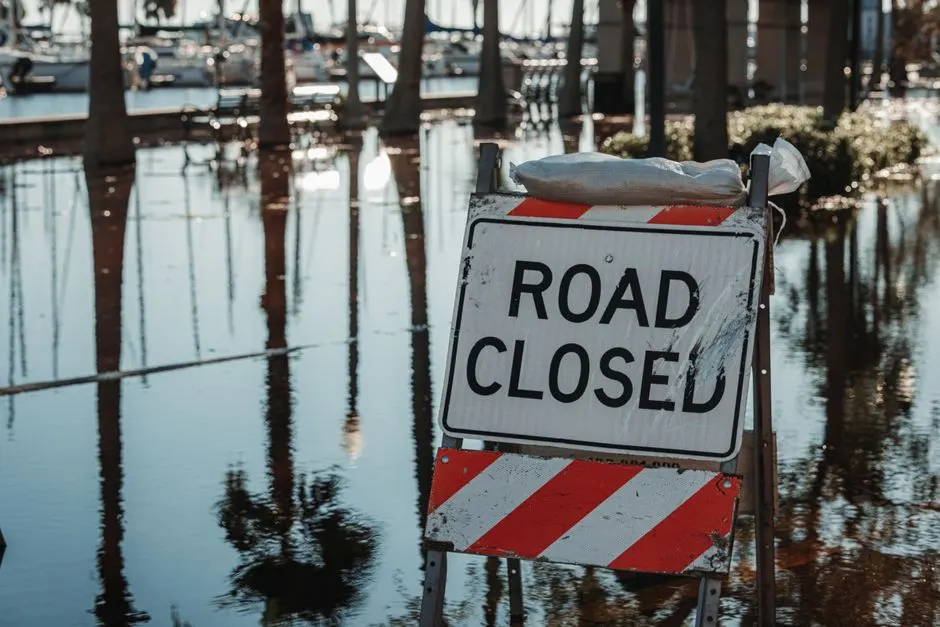
Flooding does not wait for business hours, and neither do we. Here is what you get when you call our Washington flood damage restoration team.
24/7 Emergency Response
Water does not clock out at 5 p.m. Our crews answer calls at 2 a.m. during a frozen pipe burst in Spokane or a storm surge flooding a basement in Bremerton. We dispatch immediately, extract standing water, and stop the damage from spreading into rooms that were still dry.
Direct Insurance Billing
We document everything the adjuster needs: moisture readings, thermal images, photo logs, and scope sheets formatted to carrier standards. Most Washington flood damage restoration claims move faster when the paperwork is right the first time. We bill your carrier directly and walk you through your out-of-pocket.
Verified Drying, Not Guesswork
Every job ends with documented moisture readings in every affected cavity. We use hygrometers and infrared thermometers to confirm drywall, framing, and subfloor are at pre-loss levels. If a reading is off, the equipment stays. You get a drying report you can keep.
Licensed, Bonded, and Code-Correct
We hold a Washington State Contractor License and carry IICRC WRT and ASD certifications. Repairs meet current code, from baseboards and drywall to PVC and copper pipe work. No cut corners that fail inspection or tank your resale.
Typical 2026 pricing for flood damage restoration in Washington runs $1,800 to $6,500 for most residential jobs. Small clean-water extractions and dry-outs can land closer to $1,500. Sewage backups, large square footage, and Category 3 contamination push higher. We give you a written scope and price before we start. No surprises. If your insurance covers the loss, we bill them directly and you pay your deductible.
Typical Investment Range
$1,500 - $10,000+ depending on scope and water category
The cost of doing it right is almost always less than the cost of doing it twice. Improper drying leads to mold, rot, and structural damage that costs far more to fix later. We dry to verified standards and document everything so your claim is paid properly.
What changes the price
Square footage affected
The bigger the wet area, the more extraction, equipment, and monitoring it takes. A single room is a different job than a whole floor. We measure and price by the actual affected area, not a flat rate.
Water category
Clean water from a supply line is Category 1. Gray water from a washing machine or dishwasher is Category 2. Sewage and storm water are Category 3. Higher categories require more protective measures and material removal.
Materials affected
Carpet and pad are usually removed and replaced. Hardwood may be salvageable with specialized drying. Drywall and insulation often need replacement. The mix of materials drives both labor and material cost.
How long the water sat
Water that sat for 48 hours or more wicks further into walls and floors and creates mold risk. Longer exposure means more demolition, more drying time, and higher cost. Fast response saves money.
Repair scope after drying
Extraction and drying are one line item. Repairs are another. Replacing drywall, baseboards, flooring, and pipe work adds to the total. We separate these clearly on your estimate.
Insurance coverage
Most homeowners policies cover sudden and accidental water damage. Flood insurance covers rising water separately. We work with both and bill directly where possible, so your out-of-pocket is limited to your deductible.
Google ★★★★★4.9
Fast response, clear communication, and they handled the insurance paperwork without us having to chase anyone. Our basement was dry in four days. Highly recommend for anyone dealing with flooding in the Bremerton area.
Yelp ★★★★★4.8
We had a sewage backup in our Longview home and did not know what to do. The crew was professional, explained everything, and left the space clean and dry. They even helped us get a backflow preventer installed.
BBB ★★★★★4.9
Used them for a storm damage repair in Edmonds. They found the source of the leak, fixed it, and replaced the damaged drywall. The work passed inspection and looks great. Fair pricing and no surprises.
We cover the entire state, from the Puget Sound to the Columbia Basin and the Olympic Peninsula. Whether you need emergency flood damage restoration Washington or a scheduled repair, we dispatch a crew to your address. Here are just some of the communities we serve.
Older homes and naval housing near the shipyard deal with aging pipes and crawl space moisture. We respond fast to burst pipes and basement flooding in Bremerton.
Newer construction in this Spokane Valley community can trap moisture in tight building envelopes. We dry carefully to prevent secondary mold issues in Greenacres homes.
Low-lying areas near the Cowlitz River flood during heavy rain. We handle sump pump failures and foundation seepage for Longview homeowners year-round.
Waterfront homes in Edmonds deal with wind-driven rain and salt air corrosion. We repair roof leaks, failed flashing, and storm water intrusion fast.
This area gets more rain than most of the Puget Sound. Crawl space moisture and basement flooding are common calls in Tumwater, and we handle both.
Arlington homes deal with frozen pipes in winter and storm water intrusion in spring. We extract, dry, and repair to code so you are ready for the next season.
Older homes and waterfront properties in Port Orchard see pipe failures and storm flooding. We respond 24/7 and handle everything from extraction to repairs.
Rural properties and older homes in Enumclaw often have crawl space moisture and well system failures. We dry crawl spaces and repair the source.
Historic homes in Port Townsend deal with aging plumbing and coastal weather. We handle burst pipes and storm damage with respect for older construction.
Cold snaps east of the Cascades freeze pipes in Selah crawl spaces and garages. We respond fast to burst pipes and dry the structure properly.
Prosser homes near the Yakima River deal with foundation seepage and sump pump failures. We extract, dry, and help you prevent the next flood.
Rural properties outside Spokane in Nine Mile Falls often have private wells and older plumbing. We repair pipe failures and dry crawl spaces fast.
Coastal homes in Suquamish deal with wind-driven rain and salt air corrosion. We fix roof leaks and storm water intrusion and dry the interior properly.
Forks gets some of the heaviest rain in the state. We handle storm flooding, roof leaks, and crawl space water intrusion for homeowners on the Olympic Peninsula.
Rural homes in Eatonville deal with frozen pipes and storm water runoff. We extract, dry, and repair so your home is ready for the next wet season.
Real answers to the questions we hear most often from local homeowners and property managers.
The broader category that includes flood damage restoration. We handle everything from a slow supply-line leak to a full basement flood, with the same extraction, drying, and repair process.
View Water Damage RestorationWhen water is actively rising, this is the first call. Truck-mounted extraction pulls hundreds of gallons fast. We dispatch 24/7 across Washington, including holidays and storm events.
View Emergency Water RemovalStanding water removal from carpet, hardwood, concrete, and crawl spaces. We use weighted extraction on carpet and pad and specialty tools for hard surfaces. Fast extraction limits how far water wicks into walls.
View Water ExtractionWind-driven rain, fallen trees, and roof breaches let water in fast. We tarp, board up, extract, dry, and repair. Storm claims get documented to carrier standards so your adjuster has what they need.
View Storm Damage RestorationBasements flood from sump pump failures, foundation cracks, and backed-up drains. We extract, dry, and repair, then help you identify the source so it does not happen again next wet season.
View Basement Water Damage RestorationCrawl spaces trap moisture and breed mold fast. We remove standing water, dry the space with specialized equipment, and treat framing with antimicrobial spray where needed. Critical for Washington homes with vented crawl spaces.
View Crawl Space Water RemovalCall (855) 516-3683 any time, day or night. Our dispatchers are live 24/7 and can send the nearest crew to your address within the hour for most Washington locations. If you prefer email, send photos and your address to [email protected] and we'll follow up fast.
Phone
(855) 516-3683Address
Washington
Hours
Mon–Fri: 7AM – 7PM
Sat: 8AM – 4PM
Sun: Emergency Only
24/7 Emergency Available