
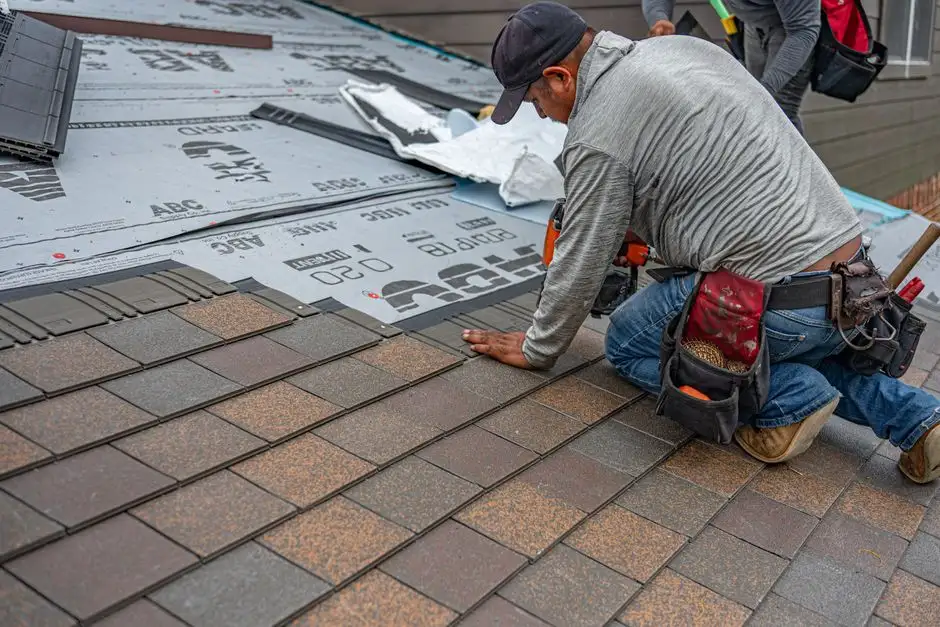
Emergency tarp and leak stop
We tarp or temporarily seal the breach on arrival so water stops entering. This runs 30 to 60 minutes and protects the interior while the permanent repair gets scheduled.
Every job starts with the same core scope: stop the water, dry the structure, prove it with readings, and hand you the paperwork. Roof repair itself may be handled by our roofing partners or your roofer, and we coordinate that so you are not stuck in the middle.
We tarp or temporarily seal the breach on arrival so water stops entering. This runs 30 to 60 minutes and protects the interior while the permanent repair gets scheduled.
Thermal imaging camera and moisture meter readings map every wet zone, including hidden cavities behind walls. You get a written scope with photos before drying equipment goes down.
Standing water comes out with extraction units. Saturated carpet padding, baseboards, and unsalvageable drywall get removed and disposed of, because wet insulation rarely dries in place.
Dri-Eaz and Phoenix dehumidifiers and air movers run three to five days. We check readings daily with a hygrometer and do not pull equipment until materials hit dry standard per ANSI/IICRC S500.
Affected framing and insulation cavities get antimicrobial spray during the dry-out. This heads off mold growth that would otherwise show up two weeks later and double the remediation cost.
We replace insulation, drywall, and baseboards, then confirm the roof repair is watertight with a hose test. Final readings get logged and sent to you and your carrier.
Roof Leak Water Damage Repair in Washington is the process of stopping an active roof breach, extracting the water it let in, and drying the attic, ceiling, insulation and framing to verified dry standard. It is not just a patch and a bucket. Water travels along rafters and trusses, so a stain on your ceiling in Auburn often traces back to a flashing failure two rooms away. We chase the whole path, not just the wet spot.
Washington roof leak water damage repair matters because our climate keeps roofs wet for months. From November through March, Yakima freeze-thaw cycles crack pipe boots, and wind-driven rain off the Cascades pushes water under shingles in Snoqualmie Pass and North Bend. Left alone, that moisture feeds mold in 24 to 48 hours and rots sheathing from the inside. If you need roof leak water damage repair Washington near me, we answer 24/7.
Five steps, from the first call to a signed-off dry standard. Here is exactly what happens and roughly how long each stage takes.
Schedule
Call or book online — a real human picks up and confirms a 2-hour arrival window.
Diagnose
Licensed tech inspects on-site, then walks you through the cause and your options.
Fix
The job is completed to code and done right the first time — no shortcuts, no surprises.
Guarantee
Every job backed by a written workmanship warranty — and we stand behind it.
Thermal imaging camera
Reveals temperature differences behind walls and ceilings so we can find hidden wet zones without tearing everything open.
Moisture meter and hygrometer
Measures moisture content in framing, drywall, and air. We log readings daily and use them to decide when drying is complete.
Boroscope
Slides into wall cavities and attic spaces to inspect for hidden water damage and confirm the leak source without major demolition.
Dri-Eaz and Phoenix Restoration Equipment dehumidifiers
Pulls moisture out of the air so wet materials can release their water. Sized to the cubic footage of the affected space.
Air movers
Circulate air across wet surfaces to speed evaporation. Positioned per ANSI/IICRC S500 airflow calculations.
Water extraction unit
Removes standing water from floors, carpet, and subfloor before drying equipment goes down.
Infrared thermometer
Confirms surface temperatures and helps identify cold spots where moisture is likely hiding.
ANSI/IICRC S500 standard
The industry standard for water damage restoration. We follow it for equipment sizing, drying goals, and documentation, which is what your insurance adjuster expects to see.
Thermal imaging leak tracing
We use thermal cameras to follow the water path from the ceiling stain back to the actual roof breach. This avoids tearing out drywall in the wrong place.
Daily moisture logging
Every visit ends with logged moisture meter and hygrometer readings at fixed points. We do not pull equipment until those numbers hit dry standard.
Antimicrobial application
Affected framing and insulation cavities get antimicrobial spray during the dry-out to head off mold growth before it starts.
01
What we do: Call us immediately. We dispatch a crew, tarp the breach, and start the dry-out the same day. Every hour you wait lets water spread further into insulation and framing.
→ Water stops entering within 60 to 90 minutes, and the dry-out starts before mold has a chance to colonize.
02
What we do: We trace the leak with a thermal imaging camera, find the actual entry point, and dry the affected cavity. Then we coordinate the permanent roof repair with our roofing partners.
→ The stain stops recurring, and you get documented moisture readings showing the structure is dry.
03
What we do: We tarp the roof, extract any water that got in, and run drying equipment for three to five days. We document everything for the property owner and the insurance carrier.
→ Tenant stays in the unit, damage is contained, and the claim closes with clean paperwork.
04
What we do: Our AMRT-certified techs inspect, test for moisture, treat affected framing with antimicrobial spray, and run HEPA filtration during the dry-out.
→ Mold is cleared, the roof entry point is fixed, and you get a documented dry standard before we rebuild.
Washington roofs take a beating. From October through April, atmospheric rivers dump rain on the coast and western lowlands, while freeze-thaw cycles in Yakima and Grandview crack pipe boots and flashing seals. East of the Cascades, wind-driven rain pushes water under shingles in Mead and Benton City. Building stock matters too: 1920s Craftsman homes in Tacoma and Lacey have original plank sheathing that soaks up water differently than modern OSB, and pre-1978 homes require EPA Lead-Safe handling when we remove painted materials. We work under Washington State Contractor License requirements and follow ANSI/IICRC S500 on every dry-out. If you need emergency roof leak water damage repair Washington wide, we keep tarps and extraction units loaded so a 2 a.m. call gets a real crew, not a callback in the morning.
North End, Tacoma
Older Craftsman homes with original plank sheathing. Roof leaks here soak deep into framing and need longer dry times than modern construction.
Downtown Auburn
Mix of mid-century and newer builds. Pipe boot failures are common after freeze-thaw cycles, and attic access varies by home.
Yakima Valley
Freeze-thaw cycles crack flashing and pipe boots every winter. We see more roof leaks here in January than any other month.
Fidalgo Island, Anacortes
Salt air and wind-driven rain off the strait accelerate flashing corrosion. Roof leaks here often start at valleys and chimneys.
Bonney Lake
Newer construction with complex rooflines. More valleys and penetrations mean more potential leak points during heavy rain.
Atmospheric river storms from October through April
Sustained heavy rain finds every weak point in a roof. We see a spike in emergency calls during these events and keep crews on standby.
Freeze-thaw cycles east of the Cascades
Water freezes in cracks, expands, and opens them wider. Pipe boots and flashing seals fail first, which is why Yakima and Grandview see winter leak spikes.
Pre-1978 housing stock in older Puget Sound neighborhoods
Lead paint on removed materials requires EPA Lead-Safe handling. We are certified for it, so older homes get the same fast turnaround as newer ones.
Wind-driven rain off the Cascades and strait
Water pushes under shingles and behind siding in ways standard rain does not. Leak tracing here requires thermal imaging, not just a visual roof inspection.
Roof leaks show up in patterns. Here are the ones we see most, and what happens if they sit.
Problem
Water is still entering and soaking the attic insulation above. Left alone, the drywall sags, mold colonizes in 24 to 48 hours, and the repair scope doubles.
Our Fix
We trace the entry point with a boroscope and thermal camera, tarp the breach, and dry the attic cavity. The stain stops growing because the water source is gone, not just painted over.
Problem
Saturated insulation loses R-value and holds moisture against the framing. Rot starts in weeks, and the heating bill climbs while the attic stays damp.
Our Fix
We remove the wet insulation, dry the sheathing and rafters to dry standard, and replace the insulation once readings confirm the cavity is dry. No trapped moisture, no rot.
Problem
Mold spores spread through the HVAC system and affect air quality across the house. Remediation costs climb fast once it spreads beyond the original room.
Our Fix
Our AMRT-certified techs treat affected framing with antimicrobial spray, remove contaminated drywall, and run HEPA filtration during the dry-out. We clear the mold before we rebuild.
Problem
Roof leaks often travel down framing and pool in basements or crawl spaces. The damage is hidden until the floor feels soft or you smell mustiness.
Our Fix
We follow the water path with moisture meters, dry the wall cavities and the basement or crawl space, and fix the roof entry point so it does not happen again next storm season.
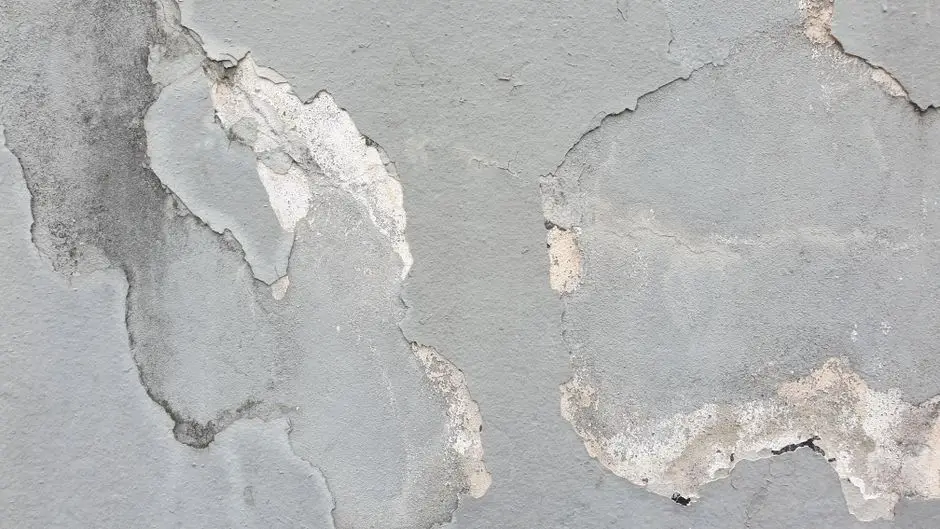
A roof leak is a water problem first and a roofing problem second. Here is what you get when you call us instead of waiting for the next storm.
Leak stopped same day
We tarp or seal the breach on arrival so water stops entering, then schedule the permanent roof leak repair in Washington with our roofing partners. Most emergency calls in the Puget Sound area get a crew on site within 60 to 90 minutes.
Drying verified, not guessed
We log moisture meter and hygrometer readings at every visit and do not pull equipment until materials hit dry standard per ANSI/IICRC S500. That paper trail is what your insurance adjuster wants to see, and it is why our Washington roof leak water damage claims close clean.
Mold stopped early
Mold can colonize wet drywall in 24 to 48 hours. We apply antimicrobial spray to affected framing and insulation cavities during the dry-out, which heads off the bigger remediation bill that follows a leak left sitting for a week.
Insurance documentation included
We photograph the leak source, moisture maps, and removed materials, then hand you a scope report your adjuster can work from. Roof leak water damage Washington claims move faster when the carrier sees thermal images and daily drying logs from day one.
Typical 2026 pricing for roof leak water damage repair in Washington runs $1,200 to $4,500 for a residential job, depending on how much area got wet and how long drying takes. Small ceiling leaks with a two-day dry-out sit near the low end. Attic-wide saturation with mold treatment pushes toward the high end. We give you the number before we start, and it does not change mid-job. Affordable roof leak water damage repair in Washington means honest scope, not a lowball that grows.
Typical Investment Range
$1,200 - $4,500 for most residential jobs
You are paying for a documented dry-out, not a guess. The readings, photos, and daily logs we hand you are what your insurance adjuster needs to close the claim. Skipping that step costs more later when mold shows up.
What changes the price
Square footage affected
The bigger the wet area, the more equipment, labor, and material removal. A 20-square-foot ceiling leak costs far less than a 200-square-foot attic dry-out.
Drying duration
Most jobs dry in three to five days. Saturated plank sheathing in older homes can take seven or more, and each extra day adds equipment and monitoring costs.
Material removal required
Wet insulation, sagging drywall, and saturated baseboards usually have to come out. The more material removed, the higher the labor and disposal cost.
Mold treatment needed
If the leak sat more than 48 hours, mold treatment adds cost. Antimicrobial application and HEPA filtration during the dry-out are separate line items.
Roof repair scope
The dry-out and the roof repair are separate scopes. A cracked pipe boot is cheap to fix. Replacing flashing or a section of shingles adds to the total.
Access difficulty
Steep roofs, tight attics, and finished ceilings slow the work. Hard-to-reach leaks take longer to trace and dry, which affects labor hours.
Google ★★★★★4.9
Called at 10 p.m. about a ceiling leak in our Bonney Lake home. Crew arrived in about an hour, tarped the roof, and started drying. Logged readings every day and sent everything to our insurance. Claim closed in two weeks.
Yelp ★★★★★4.8
We had mold from a slow roof leak in Lacey. They treated the framing, replaced the insulation, and rebuilt the ceiling. Nine days start to finish. The final moisture readings were all in the green, which is what I wanted to see.
BBB ★★★★★4.9
I manage rentals in Yakima and have used them three times for freeze-thaw pipe boot failures. Straight pricing, no games, and they document everything for the owners. They are my first call now.
Google ★★★★★5.0
Windstorm took shingles off our roof in Auburn and water came through the ceiling by morning. They were on site in 90 minutes, pulled the wet drywall and insulation, and dried the whole thing in four days. Professional and fast.
Our technicians hold IICRC WRT and ASD certifications, and several carry AMRT for mold work. We follow ANSI/IICRC S500 for every dry-out, which means documented moisture readings, calibrated equipment, and a defined dry standard instead of a guess. We work under Washington State Contractor License requirements and keep EPA Lead-Safe and OSHA 10 training current, which matters on pre-1978 homes common in older Puget Sound neighborhoods. Roof leaks are our most common winter call, and we treat every one like the water damage it is.
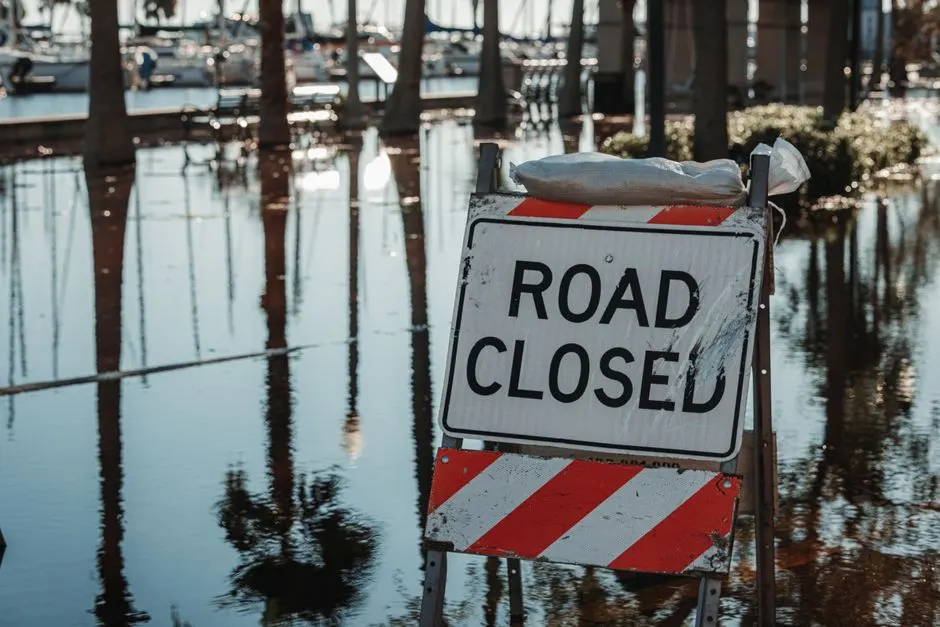
We cover the whole state, from the Puget Sound lowlands to the Yakima Valley and the eastern foothills. Roof leak repair Washington crews are stationed to reach most metro areas within 60 to 90 minutes and rural addresses within two hours. Call (855) 516-3683 and we will tell you exactly when we can be there.
Freeze-thaw cycles crack pipe boots and flashing every winter in Yakima. We tarp the breach, dry the attic, and document everything for your insurance carrier.
Windstorms lift shingles on Auburn roofs and water runs down rafters into ceilings. We trace the leak with thermal imaging, dry the cavity, and rebuild the interior.
Older Lacey homes with plank sheathing hold water longer than modern builds. We size drying equipment to the actual cavity and log readings daily until dry standard.
Recurring ceiling stains in Spanaway usually trace back to failed flashing. We find the real entry point, dry the structure, and coordinate the permanent roof repair.
Complex rooflines in Bonney Lake mean more valleys and penetrations. We handle emergency tarping, water extraction, and full dry-out with documented moisture readings.
Salt air and wind-driven rain off the strait corrode flashing in Anacortes. We trace the leak, treat affected framing with antimicrobial spray, and dry the wall cavity.
Woodinville homes with finished attics hide roof leaks behind drywall. We use thermal imaging and boroscopes to find the water path without tearing out the wrong wall.
Grandview sees freeze-thaw damage on pipe boots and flashing every winter. We tarp the roof, extract water, and run drying equipment for three to five days.
Milton roof leaks often start at chimney flashing and travel down wall cavities. We follow the water with moisture meters and dry the full path, not just the visible stain.
Wind-driven rain east of the Cascades pushes water under shingles in Mead. We tarp the breach, dry the attic, and document everything for your adjuster.
Rochester homes on rural lots often have hard-to-reach roof sections. We bring the right equipment for steep roofs and tight attics and dry to verified standard.
Longbranch sits close to the water, where salt and wind speed up flashing corrosion. We inspect, tarp, dry, and coordinate the permanent roof repair.
Benton City freeze-thaw cycles crack flashing seals every winter. We stop the leak on arrival, dry the structure, and log daily readings until dry standard.
We serve Mcchord Afb with the same 24/7 emergency response as the rest of the state. Tarp, extract, dry, document, and hand you the paperwork for your claim.
Burley roof leaks often go unnoticed until a ceiling stain appears. We trace the entry point with thermal imaging, dry the cavity, and rebuild the interior.
Real answers to the questions we hear most often from local homeowners and property managers.
When a roof leak soaks more than one room, full water damage restoration rebuilds drywall, insulation, and flooring after the dry-out. We handle the whole scope so you are not juggling three contractors.
View Water Damage RestorationStanding water from a roof breach needs to come out fast. Our emergency water removal crews pull water with extraction units, then hand off to the drying phase the same day.
View Emergency Water RemovalSaturated carpet, padding, and subfloor hold water a roof leak left behind. We run truck-mounted and portable water extraction units to pull it out before mold gets a foothold.
View Water ExtractionStorm flooding and roof leaks often hit the same house. Flood damage restoration covers the wider scope, from contaminated water cleanup to full structural rebuild.
View Flood Damage RestorationWind, hail, and falling limbs tear up roofs and let water in. Storm damage restoration handles the tarp, the dry-out, and the repairs in one coordinated job.
View Storm Damage RestorationRoof leaks travel down wall cavities and pool in basements. We dry the basement, treat for mold, and fix the source so it does not happen again next storm season.
View Basement Water Damage RestorationCall (855) 516-3683 any time, day or night. Our dispatchers are live 24/7 and can send the nearest crew to your address within the hour for most Washington locations. If you prefer email, send photos and your address to [email protected] and we'll follow up fast.
Phone
(855) 516-3683Address
Washington
Hours
Mon–Fri: 7AM – 7PM
Sat: 8AM – 4PM
Sun: Emergency Only
24/7 Emergency Available