
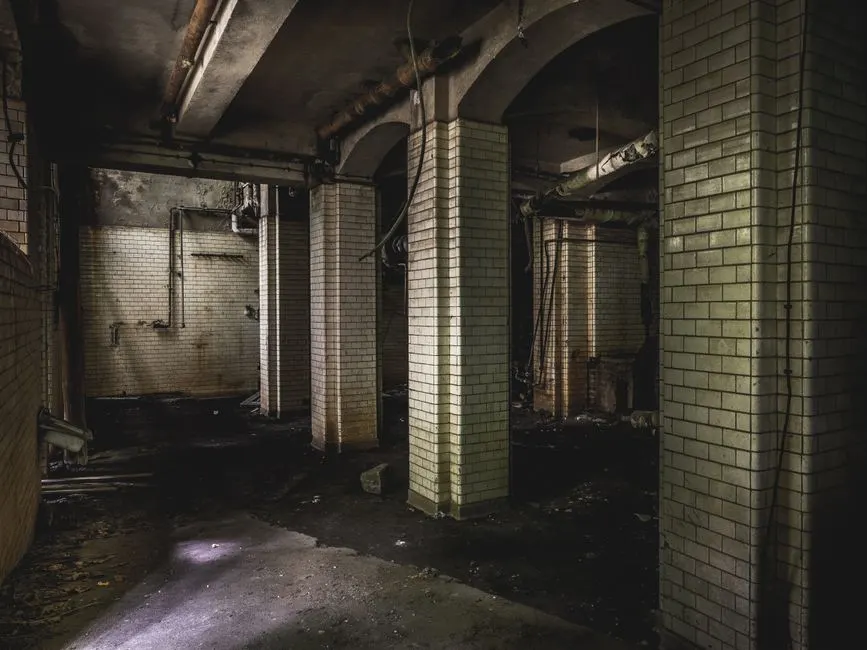
Your basement is leaking because water is finding a path through your foundation wall, floor joint, window well, or a failed pipe - and in Washington, that path is usually opened by our wet winters, high water tables, and the clay-heavy soils that dominate much of the state. The leak itself is rarely the real problem; it's a symptom of where water is pooling outside or inside your home. Below, we walk through the six causes we see most often, how to trace yours, what repairs cost in 2026, and when it's time to stop mopping and call someone.
The short answer: why Washington basements leak
Basement leaking water in Washington is a category of water intrusion that happens when groundwater, surface runoff, or a plumbing failure pushes water through a compromised foundation or drainage system. It is not one problem - it is at least six, and they have different fixes.
Washington gets 30 to 60 inches of rain a year depending on where you sit, and most of it falls between October and April. That means your foundation is under near-constant hydrostatic pressure for six months straight. Add in the fact that many homes here were built on glacial till, clay, or reclaimed wetland, and you have the recipe for a wet basement.
We handle Water Damage in Washington every week, and the pattern is consistent: the leak starts small, the homeowner mops it up, and by February there's mold behind the drywall. Catching it early is the difference between a $400 fix and a $9,000 restoration.
Why is my basement leaking water in Washington after rain?
If your basement only leaks after rain, the water is coming from outside - not from a pipe. That narrows the diagnosis significantly. Rain-driven leaks almost always trace back to one of four things: a clogged or failed footing drain, a negative grade that slopes toward the house, a cracked or porous foundation wall, or a window well that fills faster than it drains.
Here's what happens in sequence. Rain saturates the soil around your foundation. The soil can't absorb any more, so water pools against the wall. Hydrostatic pressure - the weight of that water - pushes it through any crack, seam, or porous patch. If your footing drain (the perforated pipe that runs around the base of your foundation) is clogged with roots or silt, the water has nowhere to go but inside.
In Western Washington, we see this constantly in older neighborhoods where the original clay tile footing drains have collapsed. In Eastern Washington, the problem is often flash runoff from sudden storms overwhelming a system that was sized for gentler rain. Either way, the fix starts with Basement Water Damage Restoration in Washington - we extract the standing water, dry the structure, then trace the entry point so it doesn't happen again.
The six most common causes of basement leaks in Washington homes
After thousands of calls across the state, these are the causes we find most often. The order matters - the first three account for roughly 70% of the leaks we see.
1. Hydrostatic pressure and a failed footing drain
This is the number one cause. Your footing drain is a perforated pipe buried in gravel around the base of your foundation. It collects groundwater and routes it to a sump pit or storm drain. When it clogs or collapses - usually after 25 to 40 years - water backs up against the wall and pushes through. You'll typically see water along the base of the wall where it meets the floor, or seeping up through floor cracks.
2. Cracks in the foundation wall or floor
Concrete shrinks as it cures, and hairline cracks are normal. But a crack wider than 1/16 inch - about the thickness of a nickel - is a pathway. So are cold joints (where two pours meet), tie-rod holes, and the cove joint where the wall meets the floor. Water finds these under pressure.
3. Poor grading and downspout discharge
If the ground around your foundation slopes toward the house, or your downspouts dump water within 3 feet of the foundation, you're feeding the problem. The fix is simple: extend downspouts 6 to 10 feet away, and regrade so the soil drops 6 inches over the first 10 feet from the wall.
4. Window wells that fill and overflow
Basement window wells collect leaves, debris, and rain. If the drain at the bottom is clogged, the well fills like a bathtub and water pours through the window frame. We see this most in homes with older steel or concrete window wells that have never been cleaned.
5. Plumbing leaks inside the basement
Not every leak comes from outside. A pinhole leak in a supply line, a failed water heater, a cracked washing machine hose, or a backed-up floor drain can all flood a basement. The tell: the leak happens regardless of weather, and the water is often warm or has a metallic smell.
6. Sewer or sump pump failure
If your sump pump quits during a storm - or your sewer line backs up - you'll get water that smells like waste. That's a different problem with a different protocol. Sewage-contaminated water requires Sewage Backup Cleanup in Washington because of the bacteria and pathogens involved. Do not treat it like a clean-water leak.
How to tell where the water is actually coming from
Before you call anyone, spend 10 minutes doing this. It will save you money and help whoever you hire move faster.
- Check the timing. Does it leak only after rain? Then it's groundwater or surface water. Does it leak constantly? Then it's a pipe or a high water table.
- Look at the water line. Water seeping from the cove joint (wall-floor seam) points to hydrostatic pressure. Water running down the wall from above points to a window, sill, or exterior grading issue.
- Smell it. Musty = clean water and mold risk. Rotten-egg or sewage = contaminated water, call a pro immediately.
- Test with a hose. On a dry day, run a hose at the base of the foundation for 20 minutes. If water appears inside, you've confirmed an exterior pathway.
- Check the sump pit. Is the pump running? Is the pit full? A failed pump is a common and cheap fix.
If you're in the Seattle area, the combination of steep grades and 37 inches of annual rain makes step 2 especially important. We do a lot of Seattle water damage restoration work where the leak turned out to be a window well, not a foundation crack.
What to watch out for: mistakes that make a leak worse
The wrong response to a wet basement can turn a $500 repair into a $15,000 mold remediation. Here's what we see homeowners do that backfires.
- Painting over the leak with waterproof sealer. Hydraulic cement and epoxy paints trap water inside the wall. It has to go somewhere - usually into the framing.
- Running a dehumidifier and calling it fixed. A dehumidifier manages humidity. It does not stop water entry. You're treating the symptom.
- Ignoring the first leak because it was "just a little." Mold colonizes wet drywall in 24 to 48 hours. By the time you smell it, the damage is done.
- Using a shop vac on sewage water. Contaminated water requires PPE, antimicrobial treatment, and proper disposal. A shop vac spreads bacteria.
- Assuming insurance will cover it. Most standard policies cover sudden pipe bursts but exclude long-term seepage and groundwater. We'll get to that in the FAQ.
How much does basement leak repair cost in Washington?
Typical 2026 pricing in Washington runs from $250 for a simple crack injection to $12,000 or more for a full interior drainage system with a new sump pump. Here's the breakdown we give customers.
- Crack injection (epoxy or polyurethane): $250-$800 per crack. Best for isolated, non-structural cracks.
- Window well repair and drain cleaning: $300-$1,200.
- Downspout extension and regrading: $200-$1,500 depending on scope.
- Sump pump replacement: $400-$1,200 installed.
- Interior perimeter drain system: $4,000-$12,000. This is the permanent fix for chronic hydrostatic pressure.
- Exterior waterproofing (membrane + drain): $8,000-$20,000+. Requires excavation.
- Water extraction and drying (if already wet): $1,200-$4,500 depending on square footage and contamination level.
If your basement is already wet, the extraction and drying has to happen first. We handle Water Extraction in Washington with truck-mounted units that pull 20+ gallons per minute, then set industrial air movers and dehumidifiers to dry the structure to under 16% moisture content.
When to call a professional
Call a professional when the water is contaminated, when the leak keeps coming back, when you see mold, or when you can't find the source in 30 minutes. Those four situations cover 90% of the calls we get.
Specifically, call us if:
- The water smells like sewage or has a dark, murky color.
- You've dried the basement and it's wet again within a week.
- You see black, green, or white fuzzy growth on walls, joists, or stored items.
- The leak is coming from multiple spots at once.
- Your sump pump runs constantly or not at all.
Water Damage Pros Washington handles the full chain: leak detection, extraction, structural drying, mold prevention, and repair. We find the leak, fix it, and test the line before we leave. If you're in the South Sound, we also cover Tacoma water damage restoration with the same crew and the same equipment.
Frequently Asked Questions
Why is my basement leaking water in Washington?
In Washington, the most common cause is hydrostatic pressure from saturated soil pushing water through a foundation crack or failed footing drain. Our wet winters and clay-heavy soils make this worse. Other causes include poor grading, clogged window wells, plumbing leaks, and sump pump failure.
How do I fix a leaking basement in Washington?
Start by identifying the source: rain-driven leaks need exterior fixes like regrading or crack injection, while constant leaks point to plumbing. For chronic leaks, an interior perimeter drain and sump pump is the permanent fix. Most repairs take 1 to 3 days.
Does insurance cover basement water leaks in Washington?
Standard policies usually cover sudden, accidental pipe bursts but exclude long-term seepage, groundwater, and poor maintenance. Flood damage requires a separate NFIP or private flood policy. Check your specific policy - coverage varies widely by carrier.
How much does basement leak repair cost in Washington?
In 2026, crack injection runs $250-$800, sump pump replacement $400-$1,200, and a full interior drainage system $4,000-$12,000. Water extraction and drying, if the basement is already wet, adds $1,200-$4,500. Most homeowners spend $1,500-$6,000 total.
Who do I call for a leaking basement in Washington?
Call a licensed water damage restoration company that handles both extraction and repair. Water Damage Pros Washington serves the entire state and can be reached at (855) 516-3683. We diagnose the leak, fix it, and dry the structure in one visit.
Get help with Water Damage in Washington
A wet basement doesn't fix itself, and in Washington's climate it gets worse fast. Whether it's a cracked foundation, a failed sump pump, or a backed-up sewer line, we handle the whole job - extraction, drying, repair, and prevention.
Call Water Damage Pros Washington at (855) 516-3683. We'll tell you what's causing the leak and what it costs to fix, upfront, before we start.