
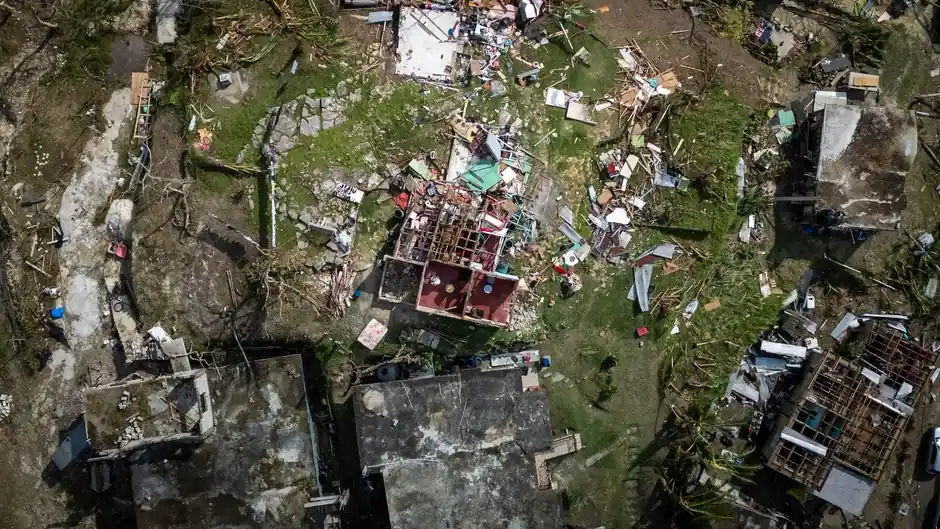
Storm damage restoration in Washington steps after a windstorm begin with three things: make sure everyone is safe, document the damage with photos before you touch anything, and get a tarp or board over any opening in the roof or wall within the first few hours. Everything else - cleanup, repairs, insurance - follows from those three moves. This guide walks through the full sequence we use on windstorm calls across Washington, from the first hour to the final walkthrough.
What to do in the first 24 hours after a Washington windstorm
The first 24 hours after a windstorm in Washington decide whether you are looking at a few hundred dollars of cleanup or a five-figure restoration bill. Water is the reason. A torn shingle or a cracked window frame lets rain into the attic or wall cavity, and mold can start colonizing wet drywall in 24 to 48 hours when indoor humidity sits above 60 percent.
Here is the order we walk homeowners through when they call us the morning after a storm:
- Check for gas and electrical hazards first. If you smell gas or see a downed line touching your house, leave and call 911 and your utility. Do not flip breakers in a wet basement.
- Photograph everything before you move it. Wide shots of each room, then close-ups of every damaged item. Your adjuster will ask for these.
- Stop the water entry. A tarp over a missing roof section or plywood over a broken window buys you time. We keep tarps and board-up materials on every truck for exactly this.
- Pull standing water out of the house. Wet-vacs handle small puddles. Anything deeper than an inch needs a pump - that is a job for Emergency Water Removal in Washington, which we run 24 hours a day during storm season.
- Move furniture and electronics off wet carpet. Wood legs wick water and stain; electronics short when they dry out.
- Start the insurance claim the same day. Most carriers let you file online in 10 minutes. The claim number is what unlocks everything else.
If your basement took on water, that is a different playbook - we cover it in more detail on our Washington basement water damage restoration page, because below-grade spaces in Washington hold moisture far longer than a main-floor spill.
How to document storm damage before you clean anything up
Documentation is the single step homeowners skip most often, and it is the one that costs them money. Adjusters work from evidence. If the only proof of your damaged roof is a verbal description, you are negotiating from behind.
Shoot these in this order:
- Four corners of every affected room, then a wide shot of the whole room.
- Close-ups of water stains on ceilings and walls - include a ruler or a coin for scale.
- The exterior damage: missing shingles, dented siding, cracked window glass, downed fence sections.
- Any tree or branch still touching the structure. Do not remove it before you photograph it.
- Serial numbers on damaged appliances, plus a photo of the receipt if you have one.
Save the photos to cloud storage the same day. Phones get dropped, and a cracked screen is a bad reason to lose a $12,000 claim.
What does storm damage restoration cost in Washington?
Storm damage restoration in Washington runs roughly $1,200 to $3,500 for a typical windstorm claim, with major structural damage pushing past $15,000. Those are 2026 pricing ranges for the work we do across the state, and they break down by scope.
- Emergency tarp and board-up: $350 to $900, depending on roof pitch and how much area is exposed.
- Water extraction and drying: $1,200 to $3,800 for a 1,000-square-foot affected area, including dehumidifiers and air movers running 3 to 5 days.
- Roof leak repair and interior patching: $600 to $2,400 for most residential jobs.
- Mold remediation (only if wet materials sat more than 48 hours): $1,500 to $6,000.
- Full reconstruction after structural damage: $15,000 and up.
The biggest cost driver is time. A roof leak caught the same day is a drying job. The same leak caught after a week of rain is a tear-out job. If you want the deeper breakdown on extraction and drying specifically, our Washington water damage restoration page covers the equipment and the timeline in detail.
Does insurance cover storm damage in Washington?
Yes - wind damage is covered under virtually every standard homeowners policy in Washington, including damage from fallen trees, flying debris, and wind-driven rain that gets in through a breached roof or wall. Flood damage from rising water is a separate policy through the National Flood Insurance Program or a private flood carrier, and that distinction matters a lot in Western Washington.
What typically is not covered:
- Damage from neglect - a known leak you never fixed.
- Ground water that seeps in through a foundation crack during heavy rain.
- Landscaping, fences, and detached structures, unless you added coverage.
- Mold that predates the storm.
File the claim within 24 to 72 hours. Washington does not set a hard deadline for filing, but most carriers have language requiring "prompt" notice, and delay gives them room to push back. Keep every receipt - hotel, meals, tarp, generator fuel - because additional living expenses are usually reimbursable.
Common mistakes after a Washington windstorm
The mistakes we see most often after a Washington windstorm are not dramatic - they are small decisions that turn a manageable repair into a major restoration. Watch for these:
- Climbing on the roof to inspect it yourself. Wet shingles and moss are slick. We see more injuries from DIY roof checks than from the storms themselves.
- Throwing away damaged items before the adjuster sees them. Once it is in the dumpster, it is not coming back on the claim.
- Running a household fan and calling it drying. A box fan moves air. It does not pull moisture out of subfloor or wall cavities. You need commercial dehumidifiers and moisture meters to know when the structure is actually dry.
- Waiting for the rain to stop before tarping. In Washington, that could be three days. Water is already inside.
- Hiring the first out-of-state crew that knocks on your door. Storm-chasers show up after every major wind event and disappear before the warranty work is needed. Ask for a Washington contractor registration and a local address.
When to call a professional for storm damage restoration
Call a professional the moment water has entered the structure - not when you have finished cleaning up. Water travels. It wicks up drywall, pools under flooring, and soaks into insulation where you cannot see it. By the time a stain shows on the ceiling, the wet area is usually three to five times larger than the visible spot.Call us if any of these are true:
- Water is still dripping or pooling after the storm has passed.
- Your ceiling is sagging, bubbling, or showing brown rings.
- The carpet squishes when you walk on it.
- You smell that musty, wet-cardboard odor that means mold is already working.
- Your insurance adjuster has not been out yet and you need emergency mitigation to prevent further damage.
Water Damage Pros Washington handles the whole sequence - emergency tarp, extraction, drying, repairs, and the documentation your adjuster needs. We work directly with most major carriers and can bill them for covered work. If you are in the Seattle metro and the storm hit hard, our Seattle water damage restoration team runs storm calls around the clock. Same for the east side - we cover Spokane water damage restoration and the surrounding county with the same equipment and the same crew standards.
Frequently Asked Questions
What steps should I take after a windstorm in Washington?
Safety first, then photos, then stop the water. Tarp any roof opening, extract standing water, and file your insurance claim within 24 hours. Call a restoration crew the same day if water reached drywall, insulation, or carpet - mold can start within 48 hours.
How much does storm damage restoration cost in Washington?
Typical 2026 costs run $1,200 to $3,500 for a standard windstorm claim. Emergency tarping is $350 to $900, extraction and drying $1,200 to $3,800, and full reconstruction after structural damage starts around $15,000. Insurance usually covers the bulk of it.
Does insurance cover storm damage in Washington?
Yes - wind damage is covered under standard homeowners policies in Washington, including fallen trees and wind-driven rain. Flood damage from rising water requires a separate flood policy. File within 24 to 72 hours and keep every receipt for temporary expenses.
Who do I call for storm damage in Washington?
Call a licensed restoration contractor that handles emergency mitigation and reconstruction under one roof. Water Damage Pros Washington covers the whole state and works directly with your insurance carrier. Reach us at (855) 516-3683 any time during storm season.
How long does storm damage restoration take in Washington?
Emergency tarping and extraction happen the same day. Structural drying takes 3 to 5 days with commercial equipment. Repairs after that depend on scope - a roof patch is a day, full reconstruction is 4 to 8 weeks. Mold remediation, if needed, adds 3 to 7 days.
Get help with Water Damage in Washington
If a windstorm just opened your roof or pushed water into your walls, the clock is already running. We handle emergency tarping, water extraction, drying, and full storm damage repair across Washington - and we deal with your insurance company so you do not have to.
Call Water Damage Pros Washington at (855) 516-3683. We answer 24/7 during storm season and can usually have a crew at your door within a few hours.